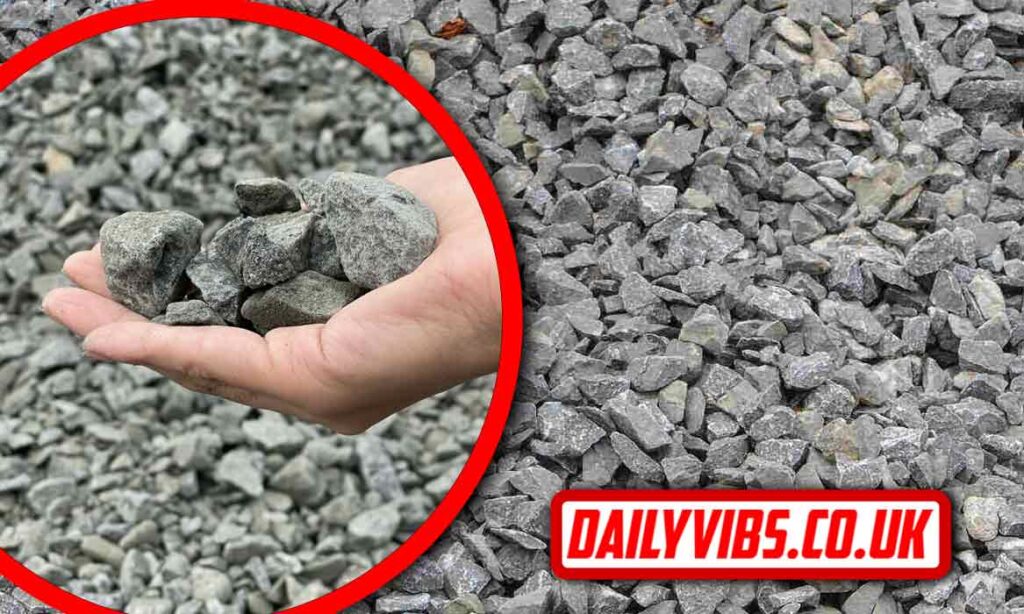
When you want a sturdy, well‑drained surface for a driveway or a garden path, using #57 stone is often the smart choice. This crushed, angular rock gives you a stable base that locks together under weight yet allows water to drain away making it ideal for driveways that see cars and paths that see regular foot traffic. Whether you are building a new driveway or improving a pathway, knowing how to use #57 stone correctly can save you time, money, and future maintenance.
What is #57 Stone?
#57 stone is a type of crushed aggregate rock. Instead of smooth, round gravel, #57 stone has sharp, angular edges because it is mechanically crushed. This means the stones interlock when compacted creating a firm surface that resists shifting or spreading. The angular shape also helps water pass through voids between stones, which reduces runoff and standing water problems.
#57 Stone Size and Gradation
By default, #57 stone falls around the size of about three‑quarters of an inch across. You may also see descriptions like “size of #57 stone” or “what is #57 stone size.” The individual pieces may range roughly between half an inch and one inch in diameter. Gradation means the mix includes mostly that size, with few fines. This size balance ensures the stones are manageable to spread, yet big and angular enough to lock together securely.
Standards: AASHTO and ASTM for #57 Stone
When sourcing aggregate for construction projects or driveways, you may see references like AASHTO or ASTM specifications for #57 stone. These standards define acceptable size ranges, cleanliness (removal of dust or fines), and structural quality. Using stone that meets those specs helps ensure durability, proper drainage, and stability under load. Always check with your supplier whether their material is certified or closely matches those standards.
#67 Stone vs #57 Stone What’s the Difference?
When comparing #67 stone vs #57 stone, the main difference lies in size and compaction behavior. #67 stone is generally smaller more fine‑grained which makes it denser and gives tighter compaction. That is useful when you need a smoother, compressed base, such as under concrete slabs or patios. But in doing so #67 stone drains less well. On the other hand, #57 stone, with larger angular rocks, allows more voids and better drainage. If you build a driveway or path exposed to rain or water, #57 stone tends to perform better.
#8 Stone vs #57 Stone: When to Use Which
#8 stone vs #57 stone is another comparison to know. #8 stone is much smaller around ⅜ to ½ inch and often used in concrete mixes or for finishing, decorative landscaping, or small walkways. It compacts tightly but does not offer the same load‑bearing strength or drainage as #57 stone. So for structural driveways under cars or heavy weight, #57 stone is usually superior. Use #8 stone where fine grading or smoother surfaces are needed not where serious load bearing or drainage matters.

Why Choose #57 Stone for Driveways and Paths
The advantages of #57 stone shine when you build a driveway or a garden path. Its size and angular nature make a base that distributes weight well, preventing ruts or shifting. The voids between stones allow rainwater to seep through instead of pooling, which is essential if you live where heavy rainfall can occur. For a path or driveway that will last, using #57 stone means less future maintenance, fewer potholes or depressions, and a stable, natural‑looking surface that adapts to ground movement.
Preparing the Ground Before Laying #57 Stone
Before you spread #57 stone, prepare the sub‑grade properly. Remove any vegetation, roots, or loose soil. It’s often smart to install a geotextile fabric between the soil and stone layer this prevents stone from migrating downward or mixing with soil over time. A stable and level sub‑grade also ensures proper compaction and maintains evenness when weight is applied on the surface. Proper preparation maximizes the benefits of using #57 stone.
How to Install #57 Stone for Driveways and Paths
First, spread a uniform layer of clean #57 stone over the prepared ground. For driveways or heavy‑use paths, aim for about 2 to 4 inches depth, adjusting based on expected load and soil type. Then use a vibratory plate compactor (or a jumping‑jack compactor) to compact the layer. This helps the angular stones lock together tightly, reducing movement. Because #57 stone is open‑graded, compaction brings some settlement often around one inch so some overfill is wise. After compaction, you may leave it as is (a gravel driveway) or top with paving, asphalt, or other surfacing depending on design.
Depth, Quantity, and Estimating #57 Stone Price per Ton
If you plan a driveway or path, estimate the amount of #57 stone needed by area and depth. For example, a 10 x 20 ft driveway at 3 inches depth will need enough tons based on stone density. In many markets, people look up “#57 stone price per ton” before buying. Price depends on supply, transport distance, and quarry availability. Because stone is heavy and transport costly, sourcing from a nearby supplier saves money. Always confirm stone weight, delivery cost, and whether the stone meets gradation standards before ordering.

Drainage, Compaction, and Longevity Why #57 Stone Lasts
One reason many builders trust #57 stone is because of drainage performance and long‑term stability. The voids between stones allow water to seep away quickly, reducing erosion or pooling that damages driveways. Compaction helps lock the stones under load, so even cars or heavy foot traffic don’t shift the surface much. If properly installed and maintained, a driveway or path built with #57 stone can stay stable for many years even decades without major repairs or resurfacing.
Sourcing #57 Stone Near Me How to Find Local Suppliers
When you search for “#57 stone near me,” you often find local quarries, gravel pits, or construction material suppliers. Because crushed stone is heavy and transport expensive, choosing a supplier near you is key. When contacting a supplier, ask for gradation specs, stone cleanliness (washed vs unwashed), and delivery options. If you are in a region with seasonal rains or soil variation, also discuss suitability for drainage and compaction. Local sourcing lowers cost and ensures the material fits your climate and soil conditions.
Frequently Asked Questions (FAQs)
1. What is #57 stone used for?
#57 stone is ideal for driveways, garden paths, drainage systems, and as a base for paving or concrete.
2. How big is #57 stone?
The size of #57 stone is roughly ¾ inch, with pieces ranging from ½ inch to 1 inch.
3. Can #57 stone be compacted for driveways?
Yes, using a vibratory plate compactor helps lock stones together for a stable, durable driveway surface.
4. What’s the difference between #57 stone and #67 stone?
#67 stone is smaller and compacts tighter, while #57 stone offers better drainage and stability for driveways and paths.
5. How much #57 stone do I need for my driveway?
Estimate based on area and depth typically 2–4 inches depth. One ton covers about 150 sq ft at 2-inch depth.
Conclusion and Recommendations
If you want a reliable driveway or a long‑lasting garden path, using #57 stone offers a balance of strength, drainage, and durability. Its angular crushed rock locks under pressure, its size and gradation support load‑bearing surfaces, and its voids help water drain naturally. For heavy‑use areas like driveways, or paths exposed to rain, #57 stone beats many finer aggregates.
Before you start: prepare a good base, optionally install a fabric barrier, order enough stone, compact it properly, and mwhen needed top it with paving or asphalt. Investing time and care up front will give you a driveway or path that stays solid, drains well, and demands little upkeep for years.
Using #57 stone wisely means fewer potholes, less shifting, better drainage, and a durable surface that serves your home or garden with grace.