Patricio Castilla is a respected Chilean cinematographer and filmmaker known for his deep connection to Latin American cinema and his close link to the famous Chaplin family. His life combines art, politics, exile, and family legacy. Through decades of work behind the camera, he helped shape powerful visual stories that reflect social reality. This article gives a full and clear understanding of Patricio Castilla, his background, career, family life, and lasting achievements in simple B-1 English.
Quick Bio Of Patricio Castilla
| Detail | Information |
|---|---|
| Full Name | Patricio Castilla |
| Birth Year | Early 1940s |
| Birthplace | Santiago, Chile |
| Profession | Cinematographer, Filmmaker |
| Education | Sorbonne (Economics), INRACI Belgium (Film) |
| Partner | Geraldine Chaplin |
| Child | Oona Chaplin |
| Known For | Political cinema, documentary-style visuals |
Early Life and Background
Patricio Castilla was born in Santiago, Chile, in the early 1940s. He grew up in a time when Chile was full of cultural change and political debate. From a young age, he showed interest in learning, culture, and world events. These early experiences later influenced the themes and style of his film work.
As a young man, Patricio Castilla moved to Europe to continue his education. He first studied economics at the Sorbonne University in France. However, his passion slowly moved toward cinema, visual storytelling, and the power of images.
Film Education and Training
After economics, Patricio Castilla studied film at INRACI in Belgium, a well-known film school. There, he trained as a cinematographer and learned classic film techniques. He studied lighting, camera movement, and visual rhythm, which later became key parts of his professional style.
This European education helped Patricio Castilla understand both artistic cinema and technical discipline. It also allowed him to connect with filmmakers from many countries, building an international vision that shaped his future work.
Return to Chile and Political Cinema
When Patricio Castilla returned to Chile, the country was in a strong political period. Cinema was often used as a tool for social awareness. He worked on documentaries and fiction films connected to real political events and social struggles.
During this time, Patricio Castilla focused on realism. His camera work showed real people, real places, and real emotions. This approach made his films powerful and meaningful, especially for audiences living through similar events.
Exile and International Work
After the 1973 Chilean military coup, many artists were forced into exile. Patricio Castilla continued his film work outside Chile, collaborating with international and Latin American filmmakers. Exile deeply influenced his artistic voice and strengthened his focus on memory and identity.
Even while living abroad, Patricio Castilla remained connected to Chilean stories. His films often reflected loss, resistance, and hope. This period defined him as a filmmaker who used cinema as historical memory.
Career Highlights and Movies
Patricio Castilla worked mainly as a cinematographer, but he also took part in directing and writing. His film work includes both documentaries and feature films that gained attention in film festivals.
Some notable projects linked to Patricio Castilla include La viuda de Montiel, Nombre de guerra: Miguel Henríquez, and Y aquí no pasó nada. These films show his strong visual style and serious subject choices. His work often blends documentary realism with artistic framing.
Cinematography Style and Vision
The visual style of Patricio Castilla is calm, honest, and politically aware. He preferred natural light and real locations. His camera never tries to distract the viewer. Instead, it supports the story and characters.
Because of his documentary background, Patricio Castilla believed images should speak truth. His cinematography often feels close to real life, making viewers feel present in the moment.
Personal Life and Family
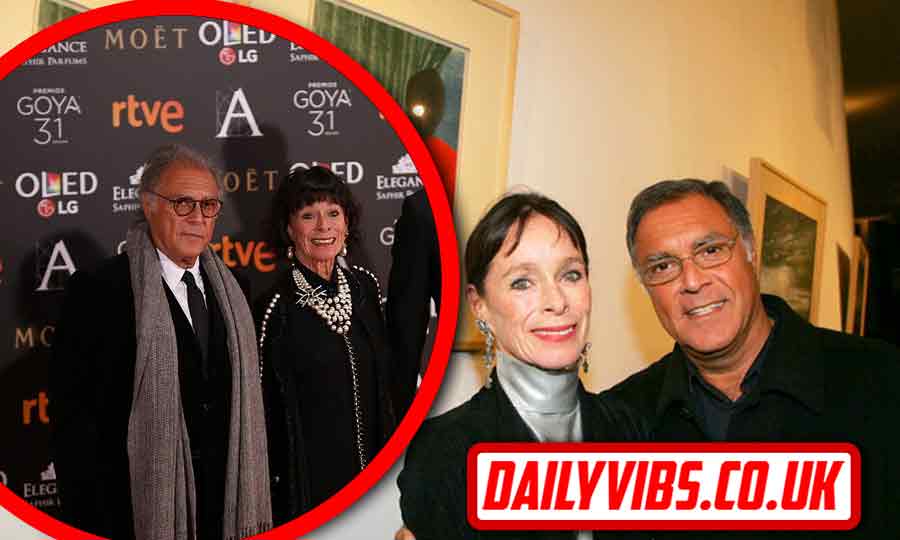
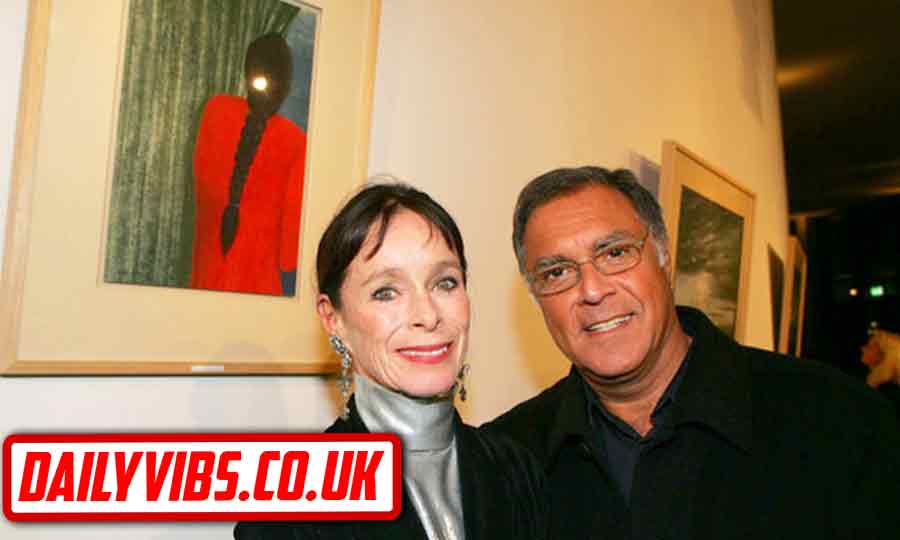
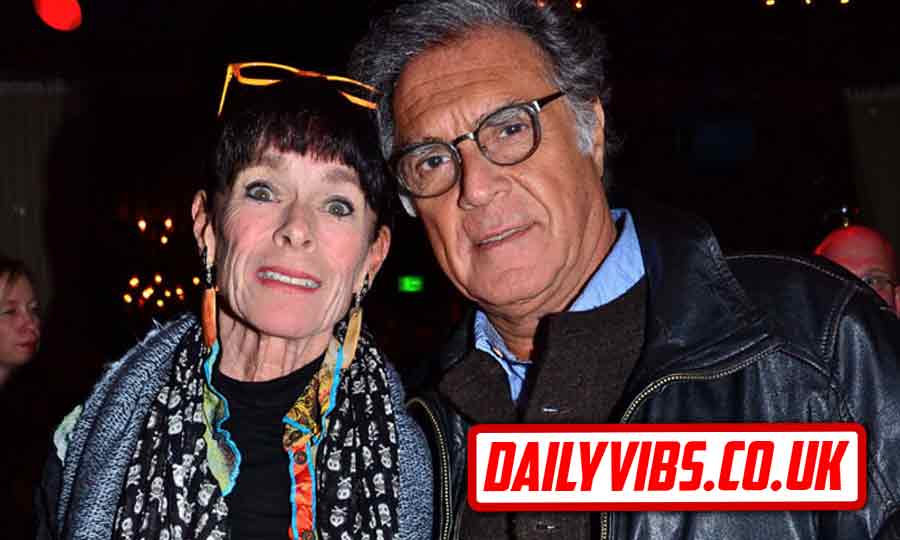
Beyond cinema, Patricio Castilla is also known for his family connections. He is the long-time partner and husband of Geraldine Chaplin, a famous actress and daughter of Charlie Chaplin. Their relationship brought him closer to one of the most important families in film history.
Together, Patricio Castilla and Geraldine Chaplin have a daughter, Oona Chaplin, born in 1986. Oona later became a successful actress, appearing in major international productions.
Connection to Geraldine Chaplin
The relationship between Patricio Castilla and Geraldine Chaplin is both personal and artistic. Geraldine is known for her work in European and American cinema. Their shared love for film created a strong creative bond.
Read More : Geraldine Chaplin: Family, Life, and Legacy
While Patricio Castilla stayed mostly behind the camera, Geraldine worked in front of it. Together, they represent two sides of cinema: image creation and performance.
Father of Oona Chaplin
Patricio Castilla is the father of Oona Chaplin, an actress known for her roles in film and television. Oona proudly speaks about her Chilean roots and her father’s influence.
Read More : Oona Chaplin: Life, Career, and Rising Stardom
Growing up with Patricio Castilla and Geraldine Chaplin gave Oona a deep understanding of cinema. His quiet dedication to filmmaking helped shape her artistic identity.
Age and Public Information
Many people search for patricio castilla age or patricio castilla edad. He was born in the early 1940s, which places him in his 80s today. Exact birth dates are not widely shared in public records.
Unlike celebrities in front of the camera, Patricio Castilla kept a low public profile. He focused more on work than on media attention.
Net Worth and Public Image
There is no confirmed public data about patricio castilla net worth. As a cinematographer and filmmaker, his income came mainly from film projects and collaborations, not from commercial fame.
Patricio Castilla is respected more for his artistic value than for financial success. His legacy is cultural, not commercial.
Biography and Wikipedia Presence
People often search for patricio castilla biografía or patricio castilla wikipedia. While information exists in film archives and biographies, he does not have a large standalone English Wikipedia page.
This limited online presence reflects the modest personality of Patricio Castilla. His work speaks louder than online popularity.
Achievements and Legacy
The true achievement of Patricio Castilla lies in his contribution to Latin American cinema. He helped preserve political memory through film and supported stories that needed to be told.
His work influenced younger filmmakers and documented important historical moments. Patricio Castilla remains a symbol of cinema with purpose and honesty.
Why Patricio Castilla Still Matters
Even today, Patricio Castilla is remembered for his artistic integrity. In a world of fast media, his slow and thoughtful approach feels rare and valuable.
For students of film, Patricio Castilla represents dedication, courage, and respect for truth. His life shows that cinema can be both art and responsibility.
Frequently Asked Questions (FAQs)
1. Who is Patricio Castilla?
Patricio Castilla is a Chilean cinematographer and filmmaker known for political and documentary-style cinema.
2. What is Patricio Castilla famous for?
He is known for his work on socially focused films and for his connection to Geraldine Chaplin and Oona Chaplin.
3. What movies did Patricio Castilla work on?
His notable projects include La viuda de Montiel, Nombre de guerra: Miguel Henríquez, and Y aquí no pasó nada.
4. Is Patricio Castilla related to the Chaplin family?
Yes, he is the partner of Geraldine Chaplin and the father of actress Oona Chaplin.
5. Is Patricio Castilla still active in cinema?
He keeps a low public profile today, but his past work continues to influence filmmakers and film students.
Final Thoughts
Patricio Castilla may not be a household name, but his impact on cinema is deep and lasting. Through education, exile, family, and film, he built a meaningful creative life.
Understanding Patricio Castilla helps us understand how cinema can protect memory, tell hard truths, and connect generations. His journey is quiet, powerful, and truly inspiring.