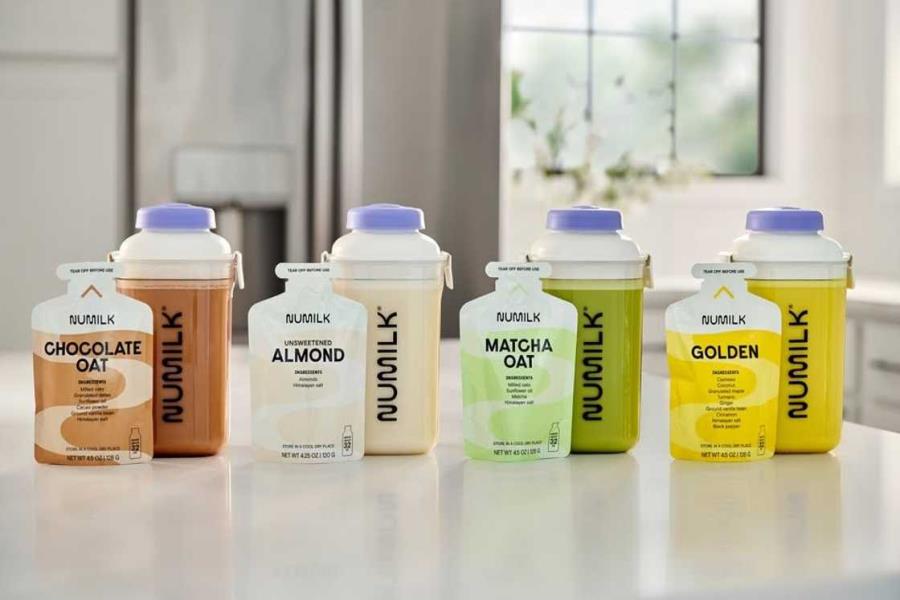
The wellness industry has seen a surge of interest in GLP-1-based products, driven largely by the success of prescription medications like Ozempic and Wegovy. Now, a new category is emerging: natural GLP-1 supplement drinks that claim to support the body’s own production of this appetite-regulating hormone. These beverages promise a more accessible approach to craving management and metabolic health, though the science behind them is still developing.
Table of Contents
ToggleThe Science Behind GLP-1
Glucagon-like peptide-1 is a hormone produced in the intestines that plays a central role in metabolic regulation. When food enters the digestive system, GLP-1 is released and performs several functions: it slows gastric emptying, signals satiety to the brain, and helps regulate blood glucose levels. This cascade of effects has made GLP-1 a target for both pharmaceutical interventions and natural health approaches.
The hormone’s impact on appetite control has been well-documented in clinical settings. GLP-1 receptor activation can significantly reduce food intake and body weight. The challenge for supplement manufacturers is whether natural ingredients can meaningfully boost the body’s own GLP-1 production to achieve similar effects just like https://trimrx.com/ is achieving.
What Natural GLP-1 Drinks Contain?
Unlike prescription GLP-1 agonists, which are synthetic compounds administered by injection, natural GLP-1 drinks rely on food-based ingredients thought to stimulate the body’s endogenous hormone production. Common formulations include:
- Soluble Fiber Sources: Ingredients like oat beta-glucan, psyllium husk, and inulin that slow digestion and may trigger GLP-1 release
- Protein Concentrates: Whey, pea, or collagen proteins that have been shown to stimulate incretin hormones including GLP-1
- Polyphenol-Rich Extracts: Green tea, berberine, and other plant compounds with potential metabolic benefits
- Probiotic Strains: Specific bacteria that may influence gut hormone production through the microbiome
- Healthy Fats: Medium-chain triglycerides or omega-3s that can slow gastric emptying
The effectiveness of these ingredients varies considerably. While fiber’s role in appetite regulation is well-established, the degree to which any single supplement drink can meaningfully elevate GLP-1 levels remains an open question for most products.
Potential Benefits and Realistic Expectations
Proponents of natural GLP-1 drinks point to several potential advantages over pharmaceutical alternatives. These beverages are non-invasive, don’t require prescriptions, and may offer additional nutritional benefits beyond hormone modulation. For individuals looking to manage mild cravings or support weight maintenance rather than significant weight loss, they may serve as a useful tool.
The purported benefits include:
- Reduced Hunger Between Meals: Fiber and protein content can promote satiety independent of GLP-1 effects.
- Blood Sugar Stabilization: Slowed digestion may help prevent glucose spikes and crashes. To learn more, refer to this detailed medical article.
- Decreased Sugar Cravings: Some ingredients like chromium and L-glutamine are thought to reduce sweet food desires.
- Improved Eating Patterns: Regular consumption may help establish more consistent meal timing.
However, it’s important to maintain realistic expectations. These drinks are not pharmaceutical-grade interventions and shouldn’t be expected to produce the dramatic weight loss seen with prescription GLP-1 agonists. They work best as part of a broader approach that includes balanced nutrition and regular physical activity.
GLP-1 Drinks Versus Injectable Medications
The comparison between natural GLP-1 drinks and prescription shots reveals fundamental differences in mechanism and magnitude of effect. Injectable GLP-1 agonists like semaglutide are synthetic compounds that directly activate GLP-1 receptors with potency far exceeding natural hormone levels. Clinical trials published in the New England Journal of Medicine have shown average weight loss of 15-20% of body weight with these medications.
Natural drinks, by contrast, aim to support the body’s own hormone production through nutritional means. The distinction matters:
- Mechanism: Drinks provide substrates and signals for natural GLP-1 production; injections deliver synthetic receptor agonists directly
- Potency: Pharmaceutical interventions produce much higher receptor activation than dietary approaches
- Side Effects: Prescription medications can cause significant gastrointestinal distress; natural drinks typically have milder effects
- Accessibility: Drinks are available over-the-counter; injections require medical supervision and prescription
- Cost: Supplement drinks are generally far less expensive than branded medications
For individuals with obesity or metabolic disease, prescription options remain the evidence-based choice. Natural drinks may be more appropriate for those seeking modest support for craving management or weight maintenance.
Additional Supplements for Sugar Cravings
Beyond GLP-1-focused products, several other supplements have shown promise in reducing sugar cravings through different mechanisms. These can be used independently or alongside GLP-1 drinks:
- Chromium Picolinate: This trace mineral helps insulin function more effectively, potentially reducing blood sugar fluctuations that trigger cravings
- Berberine: Known for its powerful metabolic support, berberine helps maintain healthy glucose levels and insulin sensitivity. For those seeking high-quality support, Naturecan berberine UK is an excellent natural option to help regulate blood sugar and effectively silence the “food noise” that leads to sugar binges.
- L-Glutamine: An amino acid that can be converted to glucose in the brain, potentially satisfying the neurological drive for sugar
- Magnesium: Deficiency in this mineral has been linked to increased chocolate and sugar cravings
- Gymnema Sylvestre: An Ayurvedic herb that temporarily blocks sweet taste receptors on the tongue
- Alpha-Lipoic Acid: An antioxidant that may improve insulin sensitivity and reduce carbohydrate cravings
As with any supplement regimen, individual responses vary. Consulting with a healthcare provider before beginning new supplements is advisable, particularly for those with existing medical conditions or taking medications.
Practical Integration Strategies
For those interested in trying natural GLP-1 drinks, strategic timing and consistent use appear to matter more than the specific product chosen. Most formulations come as powders or ready-to-drink beverages designed for daily consumption.
Effective integration approaches include:
- Pre-Meal Timing: Consuming 15-30 minutes before meals may enhance satiety signals
- Morning Routine: Starting the day with a fiber and protein-rich drink can set a metabolic tone for better appetite regulation
- Craving Intervention: Keeping packets available for moments when sugar cravings typically strike
- Consistent Scheduling: Daily use at the same time may help regulate hunger hormones more effectively than sporadic consumption
- Adequate Hydration: Drinking plenty of water alongside fiber-rich supplements prevents digestive discomfort
For daily use cases like these, Supergut, Ozzi, and Pendulum Metabolics each offer formats — powders and ready-to-drink options — designed to fit into the kinds of routine touchpoints the article describes.
The Bottom Line on Natural GLP-1 Drinks
Natural GLP-1 supplement drinks represent an interesting intersection of nutritional science and metabolic health. While they lack the pharmaceutical potency of prescription medications, they offer a more accessible entry point for individuals seeking to better manage cravings and support healthy eating patterns.
The most promising formulations combine multiple mechanisms: soluble fiber for satiety and gut hormone stimulation, protein for sustained energy, and targeted nutrients like chromium for blood sugar stability. When used consistently as part of a broader health strategy, these drinks may provide meaningful support for appetite regulation.
However, they should be viewed as tools rather than solutions. No supplement can compensate for poor dietary habits or sedentary lifestyles. The individuals most likely to benefit are those already committed to health improvement who are looking for additional support in managing between-meal hunger and reducing processed food cravings.
As research continues to evolve, we’ll likely gain a better understanding of which specific ingredients and formulations produce the most reliable effects on endogenous GLP-1 production. For now, those interested in exploring this category should look for products with transparent ingredient lists, realistic claims, and formulations based on ingredients with at least preliminary research support.