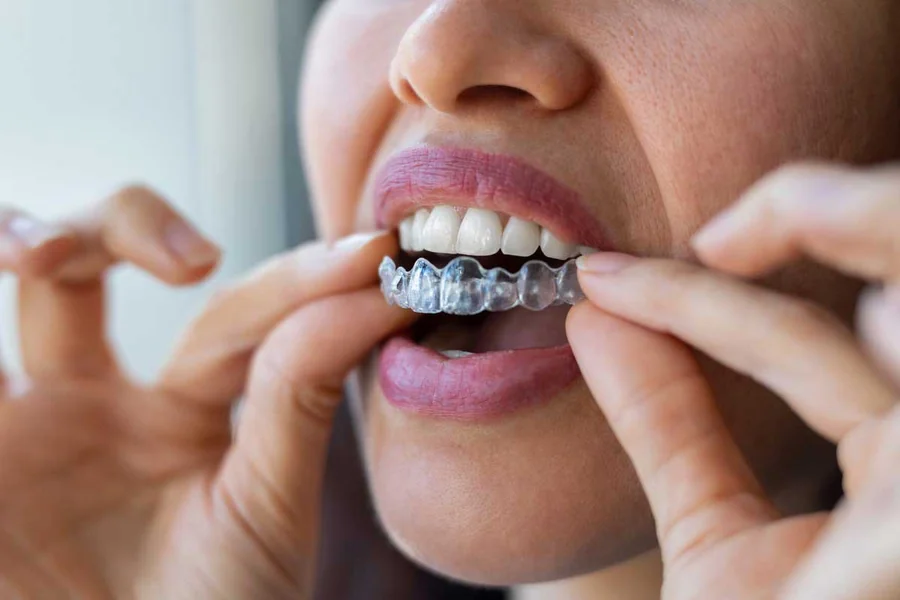
Adults searching for Invisalign London often want a discreet way to improve crowding, spacing, or tooth position without making orthodontics the centre of daily life. In practical planning, a cosmetic dentist from MaryleboneSmileClinic would usually begin with function as well as appearance. Tooth movement can affect bite comfort, gum margins, cleaning access, and future cosmetic choices, so the first discussion should explain what clear aligners can improve, what they cannot change alone, and what retention will involve afterwards.
Adult patients often ask whether aligners can improve crowding, gaps, relapse after previous braces, or the way the front teeth meet. The answer depends on the individual case. Some movements are straightforward, while others require attachments, interproximal reduction, additional stages, or a different orthodontic approach. The value of a consultation is that it separates what looks simple from what is clinically predictable.
Table of Contents
ToggleSuitability Starts With More Than Straightness
The subject of assessment before aligners can sound secondary at first, yet it often decides whether a cosmetic plan is practical. In real appointments, patients may focus on crowded front teeth, but orthodontic suitability also depends on gums, bone support, roots, bite, and dental history. A dentist who pays attention to this part of the case can explain the difference between what is possible, what is advisable, and what may need to wait until oral health or expectations are clearer.
A careful assessment usually means looking at more than the surface concern. In this part of the consultation, records may include photographs, scans, x-rays when appropriate, periodontal assessment, and discussion of previous orthodontic treatment. The dentist may use photographs, scans, shade records, x-rays where appropriate, or simple chairside explanations to show what is influencing the recommendation. This gives the patient a chance to see the reasoning rather than feeling that the plan has appeared from nowhere.
For many patients, the most useful plan is not the one with the longest treatment list. It is the plan that explains the order of care around assessment before aligners. Stabilising health, improving hygiene, reviewing old restorations, or protecting against damaging habits can all influence the cosmetic choices that follow. When the order is clear, the patient can see why certain steps come first and why others can wait.
This is where the patient’s own habits and preferences should be part of the discussion. Patients should ask what findings determine whether aligners are suitable or whether another approach is safer. The dentist can then tailor advice to the way the patient actually lives, not to an ideal routine that will disappear after a few weeks. One caution is that clear aligners should not be started without understanding the health of the supporting tissues. Long-term success usually depends on matching treatment design to realistic maintenance.
Wear Time Is a Clinical Requirement, Not a Preference
Many cosmetic questions become easier once daily aligner discipline is discussed properly. This is because aligners work only when they are worn as prescribed and changed according to the plan. Rather than treating the smile as a flat image, the dentist can consider how teeth, gums, restorations, bite, habits, and home care interact. That approach may feel slower at first, but it usually gives the patient a more dependable basis for deciding what to do next.
This is also where practical detail matters. For example, inconsistent wear can slow progress, reduce tracking, increase refinements, or make movements less predictable. Those details can influence appointment timing, material choice, the need for hygiene care, or whether treatment should be phased. In London, where many patients are balancing work, travel, and social commitments, that practical clarity can make the difference between a plan that sounds good and one that can actually be followed.
This is where a London dental appointment can become genuinely practical. Patients often have social dates, work commitments, travel, and budget limits, and those realities should be part of the conversation about daily aligner discipline. A treatment sequence that ignores them may look elegant on paper but feel difficult to complete. A sequence that respects them is usually easier to follow and maintain after the visible work is finished.
The final part of this subject is confidence. Patients should be honest about meals, travel, work events, and routines that might affect wear time. If the answer is careful and specific, the choice is easier to trust. One caution is that a discreet treatment still requires visible commitment in daily life. A good cosmetic plan should improve the smile while still respecting the teeth, gums, bite, and future care that make the improvement worth having.
Attachments and Refinements Are Normal Planning Tools
Details patients should expect deserves attention before any final decision is made. The practical reason is that some adults are surprised that tooth-coloured attachments or refinements may be part of aligner treatment. When this is explored carefully, cosmetic dentistry can remain connected to prevention and long-term care. The patient is then less likely to choose a treatment because it sounds impressive and more likely to understand what would actually serve the smile well.
The clinical conversation should be specific enough to be useful. In many cases, attachments help aligners grip teeth, while refinements can help complete movements that need extra adjustment. If those points are explained in ordinary language, the patient can compare options with less anxiety. Good dentistry is not made more trustworthy by complicated wording; it is made more trustworthy when the patient can understand the reasons behind the next step.
The conversation should also leave room for no immediate treatment. In relation to details patients should expect, monitoring, hygiene care, whitening first, or a review after stabilisation may sometimes be the most sensible answer. That can feel less exciting than a fast cosmetic recommendation, but it may protect natural teeth and give the patient more time to understand their options. In dentistry, restraint can be a sign of careful planning rather than indecision.
Patients can make the appointment more productive when they ask for the reasoning behind the advice. In this area, patients can ask where attachments may be placed and how likely refinements are in their type of case. A good answer should mention both the aesthetic aim and the health factors that support it. One caution is that a plan that mentions refinements is not necessarily a poor plan; it may be a realistic one. This is how the conversation stays balanced rather than becoming a simple list of attractive treatment names.
Hygiene Has to Improve During Treatment
Cleaning with aligners is a useful starting point because aligners cover the teeth for many hours, so plaque, sugar, and acidic drinks can create avoidable problems. In cosmetic dentistry, that point keeps the discussion grounded in the mouth a person actually has rather than the single change they hope to see in photographs. The dentist can then relate the request to enamel condition, gum health, previous dental work, bite comfort, and the time someone is willing to give to maintenance. That wider frame often leads to a plan that feels quieter, more realistic, and easier to live with.
A dentist may also need to connect this subject with the patient’s wider dental history. That could mean considering that patients need to clean teeth and aligners carefully, avoid drinking sugary or staining drinks with aligners in, and maintain hygiene appointments. The point is not to make cosmetic treatment feel difficult, but to avoid pretending that visible teeth exist separately from the rest of the mouth. When the wider picture is included, the recommendation is usually more measured.
This part of the discussion helps separate preference from clinical need. With cleaning with aligners, a patient may want the most visible change first, while the examination may show that aligners cover the teeth for many hours, so plaque, sugar, and acidic drinks can create avoidable problems. That does not reduce the cosmetic goal. It gives the goal a better structure, so any visible change is supported by healthier tissues, clearer expectations, and a maintenance routine the patient can actually follow.
This is where the patient’s own habits and preferences should be part of the discussion. Patients should ask how to manage cleaning at work, while travelling, or during long days out. The dentist can then tailor advice to the way the patient actually lives, not to an ideal routine that will disappear after a few weeks. One caution is that straightening teeth should not come at the cost of enamel or gum health. Long-term success usually depends on matching treatment design to realistic maintenance.
Bite Changes Need Careful Monitoring
Patients often arrive with a clear preference, but function during tooth movement can change the shape of the conversation. The reason is simple: adult orthodontics can affect not only the appearance of the front teeth but also how the teeth meet. Once that is acknowledged, the appointment becomes less about selling a procedure and more about understanding what would be sensible for this mouth at this point in time. That is especially important in cosmetic care, where small visual decisions can have long-term effects on comfort, cleaning, and confidence.
This part of planning is often where expectations become more realistic. The dentist can explain how the dentist may monitor contacts, chewing comfort, jaw symptoms, and whether planned movements are tracking as expected. That explanation may confirm that the original idea is suitable, or it may show that a smaller first step would be wiser. Either way, the patient gains a clearer sense of the benefits and the limits of the treatment being discussed.
It is worth remembering that function during tooth movement is not judged only in a still image. It is noticed when the patient speaks, smiles, eats, laughs, and cleans their teeth at home. For that reason, the planning conversation should include comfort, texture, hygiene access, and how the result will sit beside natural teeth in normal light. Small details often decide how natural the final outcome feels.
The final part of this subject is confidence. Patients should report persistent discomfort, poor fit, or aligners that stop seating correctly. If the answer is careful and specific, the choice is easier to trust. One caution is that ignoring fit problems can make treatment longer or less predictable. A good cosmetic plan should improve the smile while still respecting the teeth, gums, bite, and future care that make the improvement worth having.
Retention Is the Part That Protects the Work
A responsible appointment gives proper space to after active treatment. It matters because teeth can move after orthodontic treatment if retention is not planned and followed. When this subject is handled early, the patient can understand why a recommendation is being made and why another option may be less suitable. The value is not only clinical; it is emotional too, because clear explanations reduce the pressure to make a quick choice about visible teeth.
The details are also important because cosmetic dentistry is judged every day after treatment, not only on the day it is completed. For example, retainers, review appointments, replacement plans, and instructions for wear are part of the long-term outcome. The plan may then need to include review, protection, hygiene support, or a different sequence of care. A result that works in daily life is usually the result that was planned with these details in mind.
There is also a confidence benefit to slower reasoning around after active treatment. When patients understand why a step is recommended, they are less likely to feel that treatment is happening without context. They can ask better questions, compare options more calmly, and recognise when a modest first step may be more sensible than a dramatic immediate change. That clarity is especially valuable when visible teeth are involved.
Patients can make the appointment more productive when they ask for the reasoning behind the advice. In this area, patients should ask about retention before starting, not only when the final aligner is reached. A good answer should mention both the aesthetic aim and the health factors that support it. One caution is that subtle orthodontic treatment still needs long-term maintenance to remain stable. This is how the conversation stays balanced rather than becoming a simple list of attractive treatment names.