There is a version of the fashion industry that runs on exclusivity, on scarcity, on the carefully constructed mythology of a creative vision so singular it barely needs explaining. And then there is the reality of building an independent clothing brand from scratch, where you are simultaneously the designer, the production manager, the marketing department, the customer service team, and the person photographing the lookbook in a friend’s apartment on a Saturday morning.
The challenge for independent fashion designers is not creativity. It is the gap between the brand they are building in their head and the one that exists online for anyone who looks them up. A brand with genuine vision, distinctive aesthetic, and real craft behind it presenting itself through a website that looks like a generic Shopify store with a logo swap is not just a missed opportunity. It is an active contradiction that undermines everything that makes the work worth choosing over a fast fashion alternative.
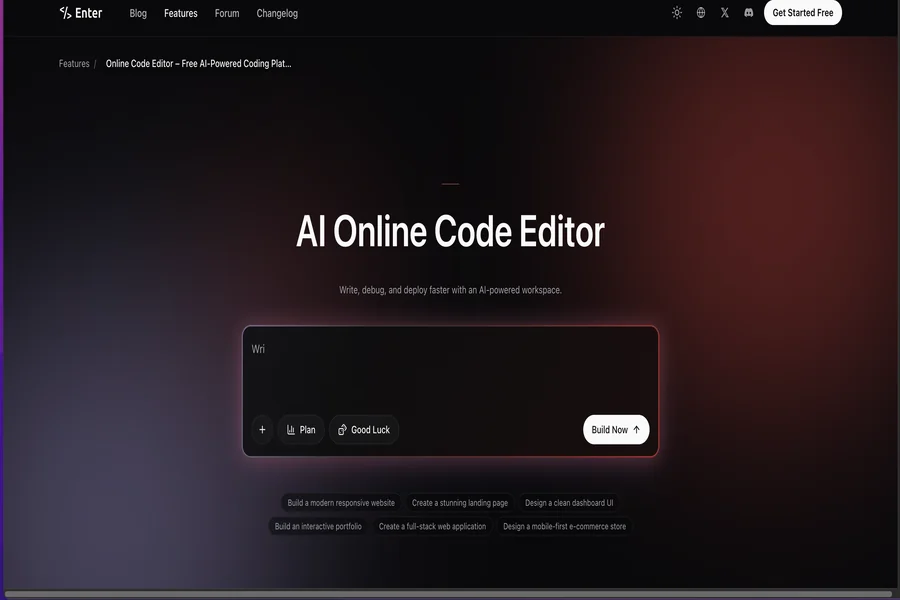
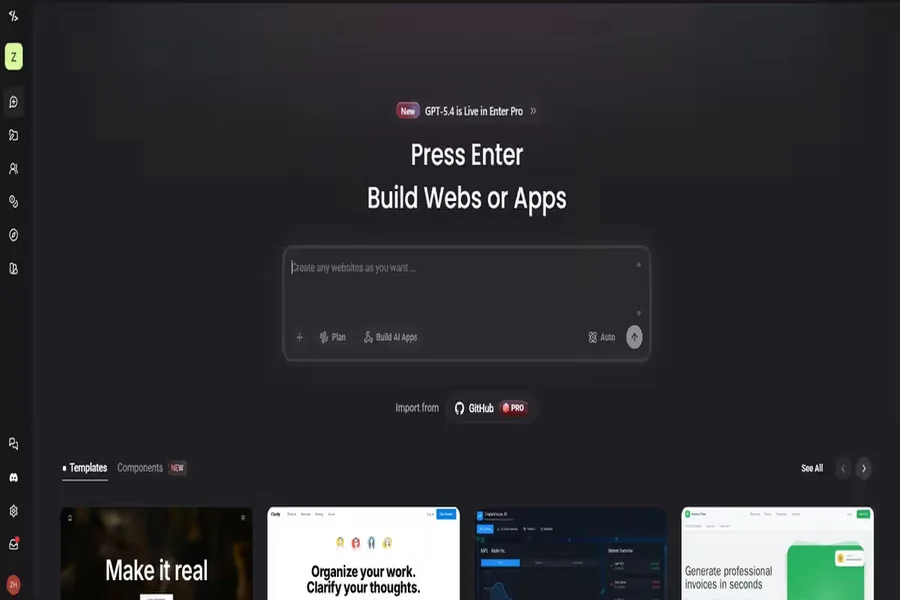
Enter Pro is one of the platforms independent designers are using to close that gap, building an online presence that actually reflects the creative intelligence behind the clothes. For designers who want precise control over lookbook layouts, collection presentation, or the visual pacing of their brand story, having a free code editor within the platform means those decisions stay with the person whose creative eye built the brand in the first place.
The Difference Between a Product Listing and a Brand Story
Open any major fast fashion website and what you see is a product listing mentality. Item photographed from front and back on a standard model, size guide, add to cart. Efficient, functional, completely interchangeable with any other website selling similar items at similar prices.
An independent fashion brand that presents itself this way is competing on the wrong terms. You are not winning on price against mass production. You are not winning on volume. What you are offering is something that mass production fundamentally cannot, a genuine creative point of view, clothes that exist because someone cared enough to make exactly this rather than something optimized purely for broad market appeal.
The website that communicates that distinction does not lead with product listings. It leads with the world the clothes inhabit. The aesthetic universe, the references, the mood, the kind of person and life and sensibility that the clothes are made for. A potential customer who recognizes themselves in that world does not need to be convinced. They need to be shown where the buy button is.
Lookbook Storytelling as the Heart of Fashion Content
A lookbook is not a product catalogue with better photography. It is a piece of visual storytelling that contextualizes the clothes within the world they were designed for and invites the viewer into an imaginative relationship with that world.
The independent designers whose online presence consistently converts browsers into buyers almost always have lookbooks that feel genuinely editorial, that have a point of view about location, light, casting, and styling that reflects the brand’s identity rather than just displaying the garments in a flattering way.
This does not require a large production budget. It requires intentionality. A clear vision of the world the collection lives in and the creative decision-making to translate that vision into images that feel cohesive and distinctive rather than assembled from whatever resources were available. The difference between a lookbook that builds desire and one that merely shows product is almost entirely a function of intentionality rather than budget.
Choosing a Platform Built for Fashion’s Visual Language
Fashion websites live and die on visual presentation in a way that is as demanding as any industry online. Large format imagery needs to render without compression artifacts. Editorial layouts need enough flexibility to create visual rhythm and pacing rather than forcing every collection into the same grid. Mobile presentation needs to feel as considered as desktop because a significant portion of fashion discovery happens on phones.
Before committing to any platform, working through a thorough comparison of the best website maker options through the specific lens of a fashion brand with high visual standards reveals which builders genuinely support the kind of editorial presentation that independent fashion requires. The platforms that handle large format imagery gracefully, support flexible layout building, and give designers genuine typographic control are a different category from those built primarily for standard e-commerce grids. Getting this right means your website feels like it belongs in the same creative conversation as the clothes themselves.
The Pre-Order and Made-to-Order Model Explained Online
Many independent fashion designers are moving toward pre-order or made-to-order production models for reasons that are simultaneously financial, environmental, and creative. These models reduce waste, eliminate the inventory risk that destroys small fashion businesses, and allow for a more intentional relationship between production and demand.
The challenge is that most customers have been trained by fast fashion to expect immediate availability and the pre-order model requires genuine communication to work. A customer who wants to buy something and is told it will be made and shipped in six to eight weeks needs to understand why that timeline exists and why it is actually a feature rather than a limitation.
A website that explains the made-to-order model clearly, tells the story of why the brand operates this way, describes what the customer can expect throughout the process, and frames the wait as part of owning something made specifically for them rather than pulled from a warehouse shelf, transforms what might initially feel like an obstacle into a genuine differentiator that attracts exactly the kind of customer who values what you are building.
Size Inclusivity as Brand Statement Not Afterthought
The fashion industry’s relationship with size inclusivity has a long and not particularly impressive history and independent designers have an opportunity that larger brands genuinely struggle to take because of the structural constraints of their production at scale.
For an independent brand, offering a genuine size range and communicating that offer thoughtfully is both a values statement and a significant commercial opportunity. The customers who have been consistently underserved by mainstream fashion and who find a brand that genuinely caters to them without making size the entire brand identity become among the most loyal and vocal advocates a small brand can have.
Your website is where that commitment is communicated or where its absence is noticed. Showing the clothes on a range of bodies rather than a single standard size. Writing about fit in a way that helps people of different shapes make informed decisions. Making size information genuinely useful rather than a conversion-killing afterthought at the bottom of a product description. These decisions signal whether inclusivity is a value the brand actually holds or a marketing point it makes selectively.
Building a Brand Universe Beyond the Clothes Themselves
The independent fashion brands that build the most durable followings are almost always ones where the clothes are part of something larger. A point of view about how to live. An aesthetic that extends beyond garments into music, art, interiors, food, culture. A community of people who share something beyond just shopping from the same brand.
A website that reflects only the transactional dimension of the brand, here are the clothes, here are the prices, here is the cart, is leaving the most valuable part of brand building on the table. The brands that build genuine communities do it by sharing the cultural references that inform the work, by introducing the collaborators and artists and thinkers who exist in the same creative ecosystem, by treating the website as a magazine or a cultural platform as much as a shop.
Enter Pro gives independent designers enough flexibility to build this kind of layered online presence without it requiring the resources of a media company. A lookbook section, a journal, a shop, and a story about the brand’s world can coexist coherently within a single site that feels like a destination rather than a transaction point.
Conclusion
Independent fashion is one of the most competitive creative industries online and the brands that build genuine followings are almost never the ones with the biggest budgets. They are the ones with the clearest sense of who they are and the most coherent online presence for communicating it. A website that reflects the creative intelligence behind the clothes, that invites visitors into the world the brand inhabits rather than just presenting items for purchase, is not a luxury addition to an independent fashion business. For every customer who discovers you online before they ever touch the clothes, it is the entire first experience of the brand and it either builds desire or fails to.