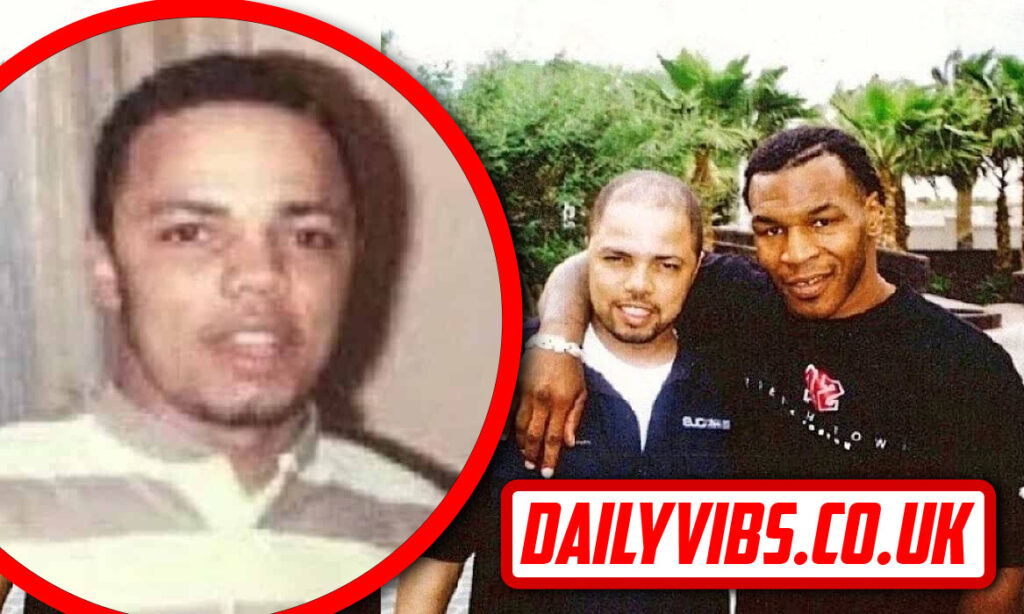
Quick Bio
| Name | Details |
|---|---|
| Full Name | Darryl “Hommo” Baum |
| Birth Year | circa 1965 |
| Death Date | 10 June 2000 |
| Age at Death | approx. 34 years old |
| Known For | Brooklyn street figure; alleged shooter of 50 Cent; friend/bodyguard of Mike Tyson |
The story of Darryl Baum is not just a piece of hip-hop lore. It is a real-life saga of ambition, street violence, celebrity proximity and tragedy. From the public housing of Brooklyn to ringside at boxing events, Baum’s life spanned worlds. His name surfaces in the dramatic incident where 50 Cent was shot nine times and in the darker corridors of gang disputes that ended in his own death. By examining Baum’s rise, his connections, the infamous shooting, the homicide that ended his life, and the larger context of New York gangster-culture and celebrity intersection, we will try to piece together what we do know and which parts remain uncertain.
Early Life and Street Roots
Darryl Baum grew up in the tough neighborhoods of Brooklyn, New York. Although detailed records of his youth are limited, many accounts place him in the milieu of public-housing projects, street gangs and the survival-economy of the late 1980s and early 1990s Brooklyn. Under the nickname “Hommo” (or sometimes “Homicide”), he built a reputation for toughness and connections. The environment he came from demanded respect, street-smarts, and readiness for violence. For someone like Baum, opportunities were limited and the streets offered their own path to prominence.
In that world, he wasn’t simply a background figure his name appears in later investigations and memorials. What distinguishes Baum is that he moved beyond purely local notoriety. He stepped into a zone where the street and the celebrity worlds began to overlap: the boxing industry, the rap business, nightlife. That transition is crucial to understanding how his name entered wider public consciousness.
Connection with Mike Tyson
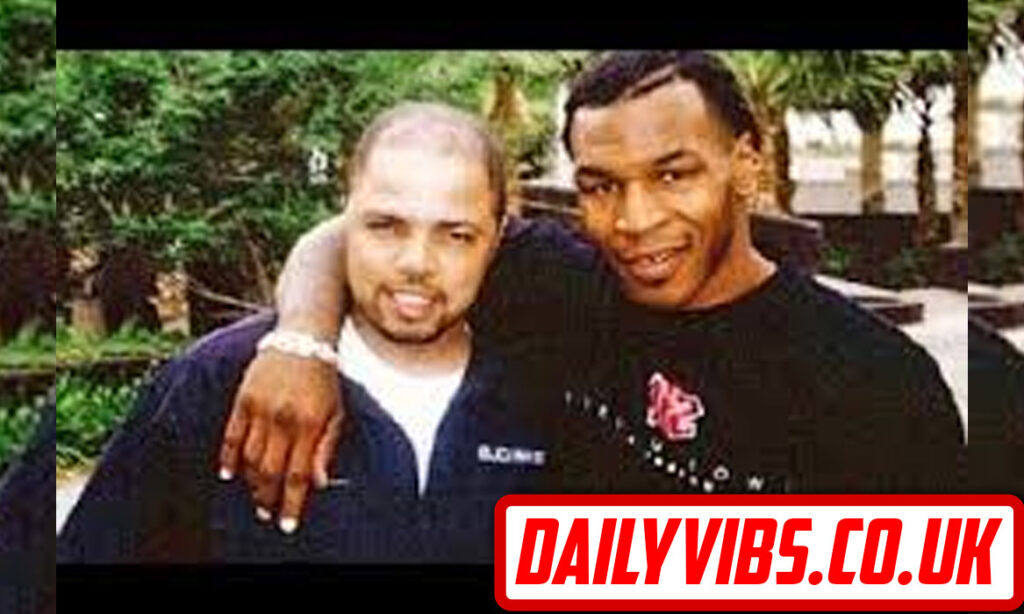
One of the more intriguing aspects of the Darryl Baum story is his reported connection to boxing legend Mike Tyson. Some entertainment sources claim that Baum was once part of Tyson’s inner circle or served as a bodyguard in the late 1990s. Although definitive documentation is scant, the claim is repeated in multiple articles and fan-accounts.
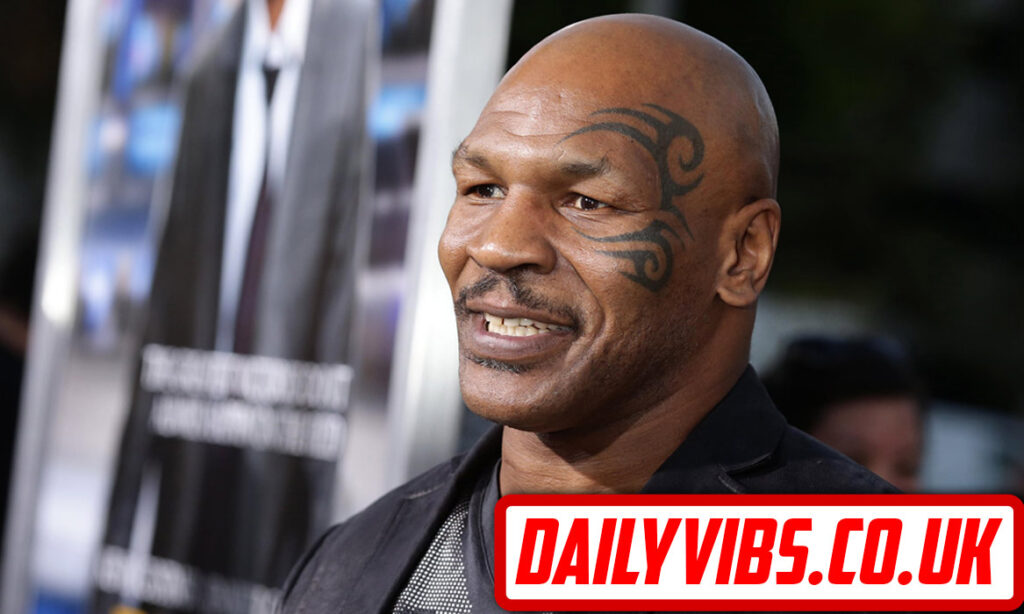
What this link represents is more than just a celebrity tie-in: it signals that Baum was not only operating in the street world but had access to high-profile contacts. That access likely elevated his status, brought him into spaces of influence, and possibly exposed him to greater risk. In many ways, the Tyson connection marks the rise of Baum from local gangster to someone walking on the fringes of fame.
The Infamous 50 Cent Shooting
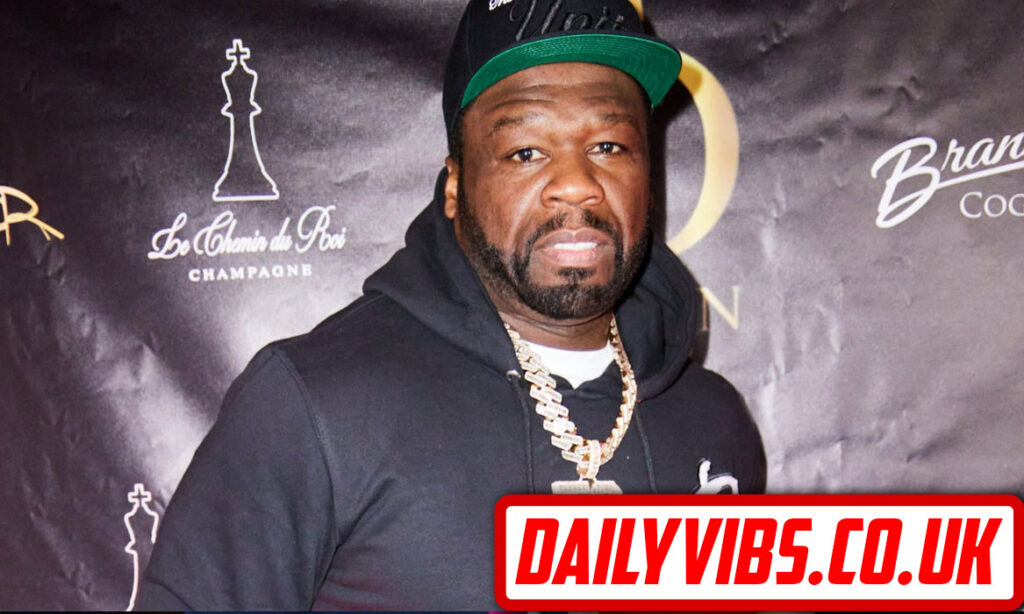
The event that thrust Darryl Baum’s name into public attention was the shooting of 50 Cent (Curtis Jackson) on 24 May 2000. 50 Cent was shot nine times outside his grandmother’s house in Queens, New York. He survived, and the incident became a key moment in his life and career.
In the wake of that shooting, Baum’s name began to circulate as the alleged shooter or one of the shooters in the attack on 50 Cent. Many pop-culture write-ups describe Baum as the attacker, often citing his nickname (“Homicide”), and quoting that he was part of the plot against 50 Cent. Some claim he was acting under orders, tied to rival street groups or rap-industry disputes.
However, it’s important to note the difference between strong allegations and conclusive court verdicts. While investigations into the shoot-out and wider gang activity did take place (and names including Baum appear in fan/hobbyist-histories), I found no publicly available, final court record that officially convicts Baum specifically for the 50 Cent shooting in a straightforward manner. What we do have is a compelling, repeated link between Baum and that event in popular narratives and investigative articles.
Motives, Alleged Plot & Culture Clash
Why was 50 Cent attacked? Why was Baum allegedly involved? Understanding that requires zooming out. In the late 1990s and early 2000s, New York’s hip-hop industry, gang culture, record-label politics and street rivalries overlapped in dangerous ways. Some investigators later looked at how certain gang-members used rap lyrics, label affiliations, and street credibility as leverage in violent disputes. One piece of the puzzle: 50 Cent’s song “Ghetto Qu’Ran” reportedly irked powerful street figures because it referenced real people and real crimes.
Baum’s alleged involvement may stem from his linkages to the gang-world in Brooklyn (especially around the Bedford-Stuyvesant/Lafayette Gardens projects), his street reputation, and his celebrity tie-ins. Some versions of the story say Baum was hired or asked to carry out the attack; others say he volunteered.
The broader context adds to the horror: these were not isolated incidents. They reflected a culture in which bullets flew as part of reputation-wars, where rap lyrics could provoke actual violence, and where celebrity associations didn’t always offer protection but sometimes made people targets.
The Murder of Darryl Baum
Less than three weeks after the 50 Cent shooting, Darryl Baum himself was killed. On 10 June 2000, Baum was shot in Brooklyn. Federal records later revealed that his killers were linked to the gang known as the Cash Money Brothers (“CMB”), based in Lafayette Gardens.
In a 2005 press release, the United States Attorney’s Office, Eastern District of New York announced that DAMION “WORLD” HARDY, ERIC MOORE and ZAREH SARKISSIAN were charged with his murder. The indictment alleged that Moore shot Baum in the back of the head and Sarkissian drove the getaway car. Baum’s death was described as a retaliation or a maneuver tied to gang territory and power-play.
Baum’s end was sudden, violent and final. The same rough streets that produced him claimed him back, despite his foray into celebrity circles. The irony is stark: the man alleged to have pulled the trigger in a major rap-world event didn’t dodge his own fate.
Did Darryl Baum Really Shoot 50 Cent?
Here’s the key question: how credible is the claim that Baum shot 50 Cent? The answer: credible, but not definitively closed. Because investigations into the shooting continue to be murky and the public record does not clearly show a final conviction naming Baum as the shooter.
On one side, many narratives documentary-style articles, fan sites, hip-hop blogs cite Baum as the shooter, and anchor the story in his rap/boxing/ street cross-network. On the other side, when you check detailed court records, you find references to Baum in the context of gang murders, but not necessarily a sealed judgment explicitly branding him the gunman who shot 50 Cent.
Thus, when using the name Darryl Baum, you should note: “widely alleged shooter of 50 Cent.” It’s part of the story, but not a simple matter of court docket + guilty verdict in every account.
Why the Story of Darryl Baum Matters
The arc of Darryl Baum’s life is compelling for multiple reasons:
- He shows how street culture, celebrity worlds (boxing and rap), and violence intersect.
- He illustrates how the underside of fame works: proximity to stars like Mike Tyson does not necessarily mean safety.
- His story gives context to the mythos of 50 Cent’s survival, brute-force comeback, and the bullet-scarred persona. Baum is one of the lesser-known figures who helped shape that narrative.
- His death is a cautionary tale: even the “raiser” of violence becomes a victim of it.
Legacy and Memory
Though he died young, Darryl Baum’s name has not vanished. He pops up in hip-hop documentaries, discussions of rap-era risk, and articles that explore the 2000s New York gangster-rap scene. For 50 Cent, the shooting was a pivotal transformation; for Mike Tyson, the loss of someone associated with him added tragedy; for the Brooklyn housing projects, Baum’s story remains a local memory of how violence and fame collide.
In memorial sites he is listed: Darryl “Hommo” Baum (1965-2000). In gang-prosecution documents he is “Darryl Baum, aka ‘Homicide’ / ‘Hommo’” targeted by the CMB gang for his associations. In rap-culture retellings he is “the alleged shooter of 50 Cent”. Each reference pulls a different strand of his identity.
What We Don’t Know and Why It Matters
The mysteries around Darryl Baum are as important as the known facts. Why exactly was he chosen as a target by the CMB gang? Was his association with Mike Tyson a factor in his murder? Did he fire the shot that hit 50 Cent, or was he part of a larger crew? Why did someone with celebrity connections remain vulnerable?
These gaps matter because they reflect wider themes: the ambiguous relationship between street crime and the music/boxing industries; how violent conflicts are often hidden behind myth and narrative; how fame offers no immunity. For historians, journalists or curious readers, Baum’s story is a reminder that many violent lives are told in fragments.
Lessons from the Life and Fall of Darryl Baum
- Visibility doesn’t equal protection. Baum’s ties to Tyson and the rap world may have given him status, but they likely increased his risk.
- Street power is volatile. The same environment that elevates someone the projects, gang territory, early influence also endangers them. Baum’s rise and fall are fast and brutal.
- Legends are partly myth. Many people refer to Baum as “the shooter of 50 Cent”, but the legal line is not always clean. Understanding myth-vs-fact is essential.
- Violence spreads both upward and downward. Baum moved from street-gang status into celebrity zones, yet violence from the street still reached him.
- Context is everything. His story cannot be separated from the social conditions of Brooklyn in the 1990s, the industry of rap, the spectacle of boxing, and the complex interplay of power, money and violence.
Final Thoughts
When you hear the name Darryl Baum, know this: it is more than one anecdote in rap-world folklore. It is a real story of a man who lived on the edge of two worlds. He rose from local street scene, flirted with fame through his link to Mike Tyson, became widely alleged to have shot one of hip-hop’s future megastars, and then fell victim to the same violent system he once navigated. His life was short just about 34 years but the imprint of his choices and his fate ripple outward to larger questions of crime, culture and celebrity.
Baum’s life ends not with redemption, but with another bullet. And perhaps that is the gravest lesson: in the convergence of fame and violence, there are few clean exits. The story of Darryl Baum invites us to look behind the headlines and ask: how many others like him remain unnamed? How many lives built for survival end in the very danger they sought to command?
Understanding Darryl Baum means seeing him as a symbol and as a person. It means tracing the bullet-path of ambition, the collision of street and spotlight, and the tragic symmetry of becoming both weapon-holder and target. His story may never be fully proven in every detail, but its shadows speak loudly about a world most see only in songs and interviews.
Frequently Asked Questions (FAQs)
1. Who was Darryl Baum?
Darryl Baum was a close friend and bodyguard of Mike Tyson and is known for being linked to the shooting of 50 Cent.
2. Is Darryl Baum still alive?
No, Darryl Baum is not alive. He was shot and killed in 2000, shortly after the 50 Cent shooting incident.
3. What was Darryl Baum’s connection with 50 Cent?
He was allegedly the man who shot rapper 50 Cent in 2000, leading to major conflicts in the hip-hop world.
4. What happened to Darryl Baum after the shooting?
After the shooting of 50 Cent, Darryl Baum was killed in a separate incident, believed to be a revenge attack.
5. How was Darryl Baum related to Mike Tyson?
Darryl Baum was one of Mike Tyson’s closest friends, often working as his bodyguard and trusted companion.