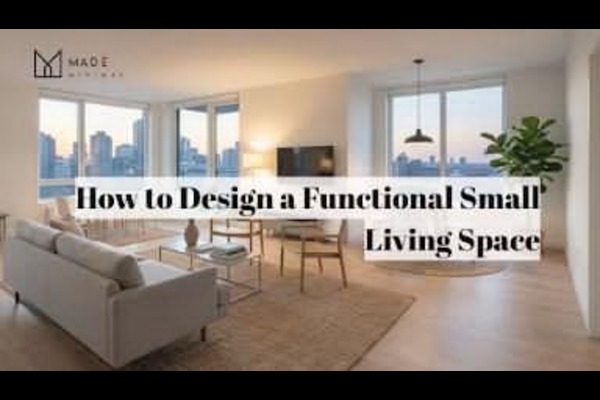
Small living space design starts with furniture that fits your actual floor plan and your layout habits, and doesn’t fight tight quarters. But most people grab whatever looks good online, then spend weeks rearranging because nothing works in real life.
That’s exactly where the real problem begins. Most spaces don’t fail because of bad furniture, but because of how it’s used. At https://www.mademinimal.com.au, we’ve helped hundreds of Brisbane customers make their cramped rooms livable and stylish.
With that in mind, this guide covers the small-space furniture worth buying, layout tricks for a minimalist home, and mistakes that shrink your room even further. By the end, you’ll know exactly what works and what doesn’t.
Small Space Furniture That Actually Fits Your Life
By choosing furniture for tight spaces, you can solve different problems at once. For example, a storage ottoman can easily hold blankets while giving you somewhere to sit. Floor cushions also stack away when you need walking room, but expand your seating when friends show up.
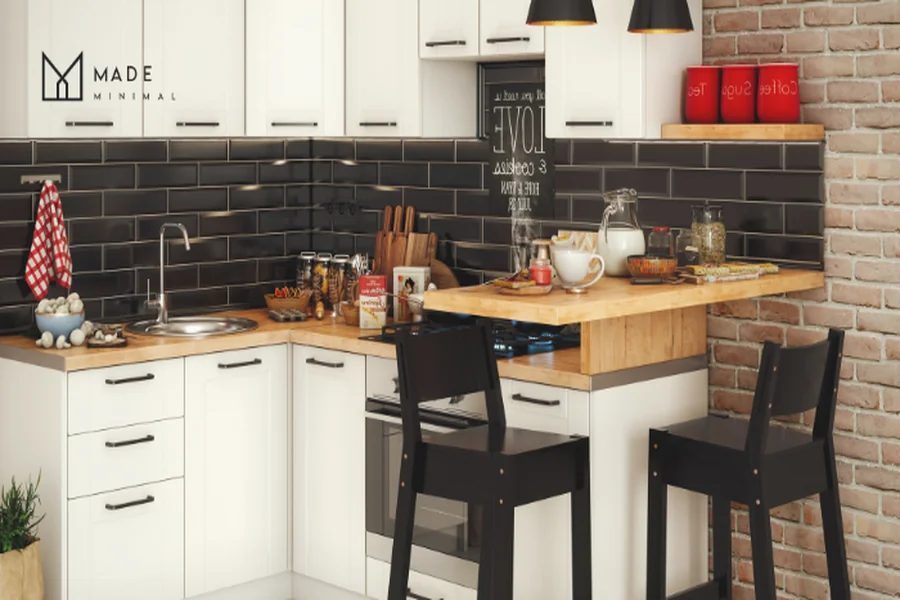
Let’s have a look at how the pieces below actually earn their place in a small home:
Floor Cushions for Flexible Seating
Flexible seating works when you can rearrange it in seconds. Here are the three ways to maximise floor cushions:
- Stack them when not in use. This way, you’ll free up more floor space instead of leaving cushions scattered around.
- You should choose floor cushions with removable covers so you can wash spills easily without replacing the whole piece.
- To create flexible seating, mix different cushion sizes that fit more people without adding chairs.
Quick tip: Store cushions vertically in a bedroom closet so anyone can grab them easily.
Dining Table Options That Don’t Overwhelm
Your dining table should fit how you use the space rather than taking it over. That’s why these options keep things practical without taking over your room:
| Table Type | Best For | Space Saved |
| Drop-leaf | Small kitchens | Folds to half width |
| Round compact | Dining rooms under 10m² | No sharp corners |
| Wall-mounted fold-down | Studio apartments | Disappears completely |
Drop-leaf tables generally expand only when you need them for guests or meals (trust us, those corner collisions add up with square tables). The rest of the time, one side folds down, reclaiming the dining table’s footprint for daily life.
In the same way, round compact options eliminate sharp corners in tight spaces, which gives you better flow between furniture. Also, wall-mounted fold-down tables disappear completely after breakfast, so you get your floor space back instead of dealing with a permanent obstacle.
Storage Pieces That Earn Their Keep
Ottomans with hidden storage hold blankets while doubling as extra seating. Based on what we’ve seen in our Adelaide Street showroom, these versatile pieces store blankets, books, and everyday items. while also providing extra seating space.
At the same time, vertical shelving uses wall height rather than taking up precious floor space, which is important when every square metre counts. That’s why place frequently used items at eye level and keep heavier items on lower shelves to maintain balance and easy access.
Another option is furniture with built-in drawers, where every piece pulls double duty. For instance, a bed frame with drawers underneath gives you somewhere to store off-season clothes without adding a separate dresser.
Layout Tricks for a Minimalist Home
Once you have the right furniture in place, the layout becomes the next challenge. Most people assume furniture belongs against the walls, but that makes small rooms feel even smaller.
Floating pieces away from walls generally creates flow instead of blocking pathways (even though it feels wrong at first). This helps you create zones where you can move without bumping into things.
Rugs also define separate areas in a minimalist home without adding physical barriers. A rug under your dining area tells your brain “this is where we eat,” while the space near the window becomes a reading spot. This is how well-designed interiors work because they let you live in different zones without building actual walls.
Another important detail in layout is sightlines. Tall furniture chops the room visually, which makes everything feel smaller and darker. Meanwhile, low-profile pieces keep your eye moving across the space instead of stopping at a bookshelf. As a result, light flows better when you can see from one end to the other, and the whole area feels more open.
Ultimately, minimalist style focuses on choosing furniture that lets you move freely while the room is still functional for daily life.
What Happens When You Ignore Scale?
Ignoring scale makes your functional rooms an obstacle course where you bump into furniture and can’t move comfortably.
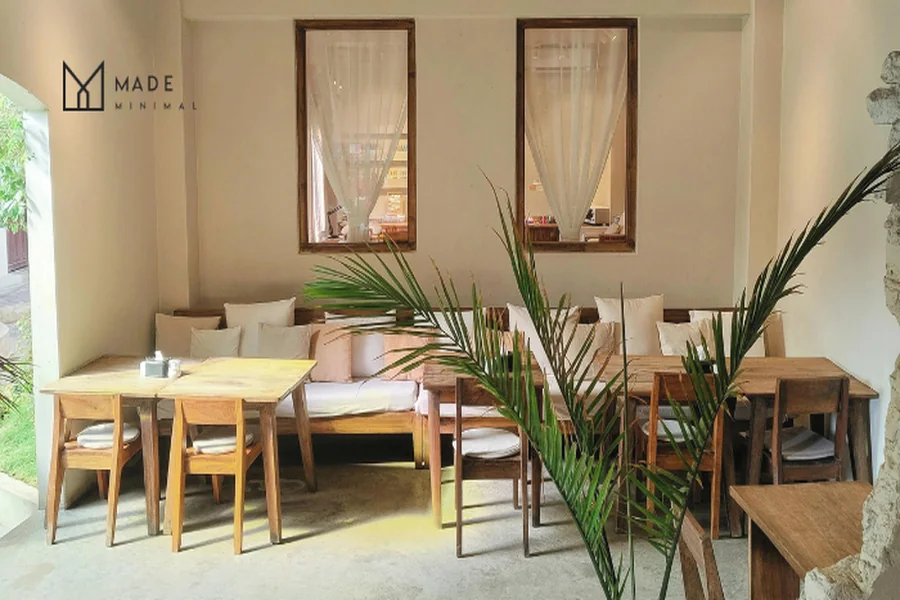
In fact, wrong-sized pieces stop you from using your space the way you need to. Plus, the problems show up quickly once you try living with them.
So check what happens when your scale is off:
Oversized Sofas in Tight Quarters
You might be surprised by what happens when people bring a couch that looked reasonable in the showroom but dominates their actual room. Here’s where things go wrong:
- Three-seater sofas block movement in rooms under 12 square metres and force you to squeeze past just to get around.
- Bulky armrests reduce usable seating, so a three-seater ends up fitting only two people comfortably.
- Deep cushions push the sofa nearly a metre into the room and take up space you need for walking.
That’s why measure your room before shopping, not after the delivery truck leaves.
Too Many Floor Pillows, Not Enough Flow
Sofas aren’t the only problem here. Floor cushions usually create issues when you use too many of them.
For starters, scattered floor pillows often create tripping hazards when you’re moving around at night (especially in the dark). Excess floor cushions also block access to storage or furniture you use daily, which defeats the whole point of flexible seating.
On top of these, visual clutter from too many textures and decor items makes the space feel smaller than it actually is.
Clutter That Kills Your Small Space
Even the right furniture stops working when clutter takes over. These habits can shrink your space most unexpectedly:
- Leaving Items on Surfaces: Counters, tables, and shelves covered in random things, reduces your perceived space faster than buying the wrong couch ever could. As a result, the room feels smaller.
- Holding onto Furniture You Don’t Use Daily: After helping customers rearrange dozens of cramped living rooms, we’ve learned that people keep pieces out of guilt or “just in case” thinking rather than actual need.
- Too Many Decorative Pieces: With too many things competing for attention, your eye can’t rest when every surface holds knick-knacks, plants, and decor. So the room feels busy even when it’s clean.
Simple fix: Remove one item from each surface and see if you actually miss it after a week. Most of the time, you won’t, and that extra space makes the room feel cleaner and easier to move around.
Making the Layout Work Without the Stress
Now that you know what kills a small space, the next step is to set your furniture without the guesswork.
These simple steps make the process easier:
- Measure Doorways First: Measuring feels tedious until you’re stuck with furniture that won’t fit through your front door. For this reason, write down the exact dimensions of doorways, hallways, and the room itself before you shop (and save you from buyer’s remorse later).
- Furniture with Exposed Legs: Floor visibility makes rooms feel larger because your eye reads the space underneath as a bonus area. Meanwhile, furniture pieces sitting directly on the ground create visual weight at floor level, which makes the whole room feel heavier and more cramped.
- Two or Three Colours Maximum: A white base with one or two accent colours keeps the space cohesive. Therefore, you should stick to neutrals and add pops of colour through cushions or decor you can swap out easily.
- Painter’s Tape on the Floor First: Mark out the size of each piece before you commit to an arrangement so you’ll spot problems with flow and spacing.
In short, if you want to make your small spaces work, start by searching for what fits your actual life.
Your Small Space, Your Way
Small space living doesn’t mean giving up comfort or style. The right furniture in the right spots makes your home work harder without feeling cramped.
What you choose counts less than how well it fits your daily routine. And remember, designed pieces that solve multiple problems always beat single-purpose furniture in tight quarters.
Ready to explore furniture built for small spaces? Browse the Made Minimal collection for stylish, compact pieces that support how you actually live at home.