Robot Vacuums: How to Choose the Right One for Your Home
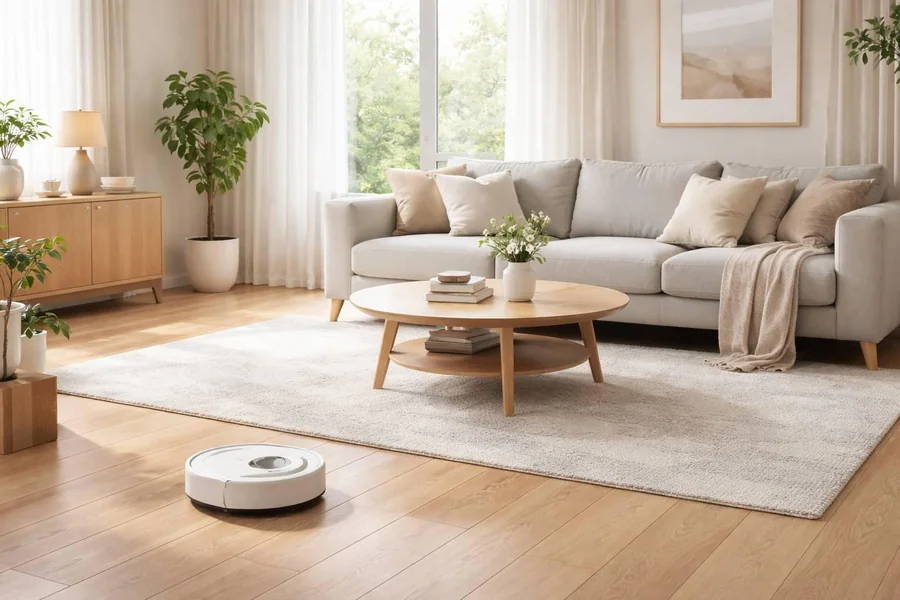
You clean the living room in the morning, and by evening, there’s dust near the sofa, crumbs under the dining table, and pet hair scattered across the floor.
Sound familiar?
Keeping floors clean can feel like a job that never ends, especially when you’re balancing work, family, and everything else that needs your attention.
That’s one reason robot vacuums have become a useful option for everyday home cleaning.
Instead of pulling out a vacuum cleaner every time you notice some dirt, you can schedule a small machine to move around your rooms and collect everyday dust and debris.
But are robot vacuums actually worth buying?
And how do you know which features will make a difference in your home?
The answer depends on your floors, furniture, pets, and cleaning routine.
This guide explains how robot vacuums work, the features worth paying attention to, and the common mistakes to avoid before buying one.
What Are Robot Vacuums and How Do They Work?
Robot vacuums are small, self-moving cleaning machines designed to collect dust, crumbs, hair, and other loose debris from floors.
Unlike a traditional vacuum cleaner, a robotic cleaner can move around your home with limited supervision.
It uses sensors and navigation technology to detect its surroundings, move around furniture, and follow a cleaning route.
Some models can also create a map of your home, remember room layouts, and return to their charging station automatically.
When comparing your options, it’s worth looking at how a robot vacuum handles navigation, dust collection, and everyday cleaning. These features can tell you more about its usefulness than the number of functions listed in an advertisement.
How Does a Robot Vacuum Know Where to Clean?
Different machines use different navigation systems.
Basic models may use sensors to detect furniture and change direction when they meet an obstacle.
More advanced machines can use cameras, lasers, or mapping technology to understand the layout of a room.
This helps them move through the available space more systematically.
For example, a robot with room mapping may clean the living room first, move to the hallway, and then return to its charging station.
However, navigation performance depends on the machine and the layout of your home.
Loose cables, narrow spaces, and cluttered floors can still cause problems.
Why Robot Vacuums Make Everyday Cleaning Easier
You don’t need a large house to benefit from a robot vacuum.
Even in a small apartment, dust and crumbs can build up quickly.
The main advantage is that you can clean more regularly without spending as much time doing it yourself.
- Less Time Spent on Daily Vacuuming
Imagine coming home after work and finding that the floors have already been cleaned.
That’s one of the most practical benefits of automatic floor cleaning.
Many robot vacuums allow you to create a schedule.
You could set the machine to clean the kitchen after breakfast or vacuum the living room while you’re out.
You still need to empty the dust container and maintain the machine, but you don’t have to push a vacuum around every room each day.
- Helpful for Homes With Pets
If you have a dog or cat, you probably know how quickly pet hair can spread across the floor.
A robot vacuum can collect loose hair regularly, helping reduce the amount that builds up between deeper cleaning sessions.
For pet owners, look for a machine with a brush design that helps reduce hair tangling.
Also check how easily you can remove the brush for cleaning.
One important precaution: don’t run a robot vacuum unattended in an area where your pet may have had an accident. A robot can spread a mess rather than clean it safely.
- Useful for Busy Households
Children, pets, visitors, and daily activities can make floors dirty faster than expected.
Crumbs appear beneath the dining table. Dust collects near furniture. Shoes bring small particles indoors.
A robotic floor cleaner can help manage these everyday messes before they build up.
The goal isn’t to make your home completely maintenance-free.
It’s to reduce the amount of routine cleaning you need to handle manually.
- Convenient for Hard-to-Reach Areas
Some robot vacuums are low enough to move beneath beds, sofas, and cabinets.
These areas are easy to forget when cleaning by hand.
Before buying, measure the clearance beneath your furniture and compare it with the robot’s height.
A machine that’s too tall won’t be able to reach underneath, regardless of how advanced its cleaning features are.
Important Features to Look for in a Robot Vacuum Cleaner
Not every robot vacuum works the same way.
Some focus on basic cleaning, while others include detailed mapping, automatic dust emptying, and smartphone controls.
Before spending money, focus on the features that will actually help you.
Smart Navigation and Room Mapping
Good navigation helps a robot clean efficiently.
Mapping technology can be useful in homes with several rooms because it allows some machines to remember the layout and follow a planned cleaning route.
You may also be able to select individual rooms or create areas where the robot should not enter.
If your home has many pieces of furniture or a complicated layout, mapping can be worth considering.
For a small, open room, simpler navigation may be enough.
Obstacle Detection
A robot vacuum should be able to detect common obstacles such as furniture legs and walls.
More advanced obstacle-detection systems may also recognize certain objects left on the floor.
However, don’t assume any robot can identify everything.
Charging cables, socks, small toys, and lightweight rugs can still cause trouble.
A quick floor check before cleaning can prevent unnecessary interruptions.
Suction and Cleaning Performance
Suction matters, but a bigger advertised number doesn’t automatically mean better cleaning.
The brush design, airflow, floor contact, navigation, and ability to collect different types of debris also affect performance.
For example, a machine might collect crumbs easily from a hard floor but struggle with hair embedded in a thick rug.
Think about your main floor surfaces before choosing.
Battery Life and Automatic Recharging
Battery requirements depend on the size of your home and the type of cleaning you need.
A small apartment usually requires less cleaning time than a large house.
Some robot vacuums can return to their charging station when the battery gets low and resume cleaning afterward.
That’s useful when the machine cannot finish the entire floor in one session.
Rather than looking at battery life alone, check whether the robot can complete your expected cleaning area.
Dustbin and Self-Emptying Dock
Robot vacuums collect dirt inside a dust container.
Basic models require you to empty that container manually.
Some machines use a larger docking station that transfers collected dirt from the robot into a separate container or bag.
A self-emptying system can reduce how often you need to handle the collected dust.
However, the dock takes up extra space and may require replacement bags or other maintenance.
App Controls and Cleaning Schedules
Many smart vacuum cleaners connect to an app.
Depending on the model, an app may let you:
- Start or stop cleaning remotely.
- Set a daily cleaning schedule.
- Choose which rooms to clean.
- View a map of your home.
- Create no-go zones.
- Monitor cleaning progress.
These features are convenient, but not everyone needs them.
If you prefer simple controls, check whether the machine can also operate using buttons on the unit.
Are Robot Vacuums Good for Different Floor Types?
One of the biggest buying mistakes is choosing a machine without considering the floors it will clean.
A robot vacuum may perform differently on hardwood, tile, rugs, and carpet.
Hardwood and Tile Floors
Hard floors are often well suited to regular robotic cleaning.
Dust, crumbs, and pet hair tend to remain on the surface, where they can be collected by the vacuum.
Look for a brush design appropriate for your flooring.
Also check whether the wheels and cleaning parts are suitable for delicate floor finishes.
Low-Pile Carpets and Rugs
Many robot vacuums can clean low-pile carpets and rugs.
Some automatically adjust their cleaning settings when moving between hard floors and carpet.
However, lightweight rugs can move or bunch up when the robot passes over them.
Rugs with long tassels may also become tangled in the cleaning brush.
Thick Carpets and High-Pile Rugs
Deep carpet can be more challenging.
A robot may have difficulty moving through thick fibers or collecting dirt trapped deep inside them.
If your home has thick carpeting, check the machine’s stated floor compatibility and independent cleaning tests before buying.
You may still need a traditional vacuum for occasional deep cleaning.
Robot Vacuum vs. Traditional Vacuum Cleaner
This is a question worth asking before you spend money.
Should you buy a robot vacuum, or is a traditional vacuum enough?
The answer depends on how you clean.
| Feature | Robot Vacuum | Traditional Vacuum |
| Daily floor cleaning | Can run automatically | Requires manual operation |
| Cleaning under furniture | Useful if clearance allows | Depends on attachments |
| Stairs | Cannot vacuum stair steps independently | Can clean with suitable tools |
| Deep carpet cleaning | Performance varies | Often more suitable |
| Tight corners | May need manual touch-ups | Easier with attachments |
| Scheduling | Available on many models | Usually not applicable |
| Maintenance | Brushes, sensors, dustbin, dock | Filters, brushes, dust container |
Which Is Better for Everyday Use?
A robot vacuum is useful for keeping floors tidy between deeper cleaning sessions.
A traditional vacuum gives you more direct control and can reach places a robot cannot.
For many households, the most practical approach is to use both.
Let the robot manage regular floor cleaning, and use a traditional vacuum for stairs, furniture, thick carpets, and occasional detailed cleaning.
How to Set Up a Robot Vacuum for Better Results
Buying the right machine is only half the job.
A little preparation can help it clean more efficiently.
Step 1: Choose a Suitable Charging Location
Place the charging station on a flat surface with enough space around it for the robot to approach and leave.
Avoid putting the dock in a very narrow corner unless the manufacturer allows it.
If your model has a large self-emptying dock, make sure you have room to open and maintain it.
Step 2: Remove Small Objects From the Floor
Before the first cleaning session, pick up loose charging cables, socks, small toys, and other items that could become tangled.
You don’t need to make the room completely empty.
Just remove objects that may interfere with the robot’s wheels or brushes.
Step 3: Let the Robot Learn the Room Layout
If your machine supports mapping, follow the manufacturer’s setup instructions.
Some robots complete an initial mapping run before regular cleaning begins.
Once the map is ready, check that the room boundaries look correct.
Step 4: Set No-Go Zones Where Necessary
Certain areas may need extra attention.
For example, you may want to keep the robot away from delicate decorations, loose wires, pet feeding areas, or a rug with long fringe.
Some models let you mark these locations in the app.
Others may require physical barriers.
Step 5: Start With a Simple Cleaning Schedule
You don’t need to schedule cleaning several times a day.
Start with a routine that suits your household.
For example, you could clean the kitchen and living room every evening and schedule a more complete session on weekends.
After a week, check whether the schedule is working.
Adjust it based on the amount of dirt the robot collects and how often you need to empty the bin.
How to Keep Your Robot Vacuum Working Properly
Robot vacuums reduce manual cleaning, but they still need maintenance.
Ignoring basic care can affect navigation, cleaning performance, and the machine’s lifespan.
Empty the Dust Container
Check the dustbin regularly.
A full container can reduce the machine’s ability to collect more dirt.
If your robot has a self-emptying dock, inspect the larger collection container or bag as recommended.
Clean the Brushes
Hair and fibers can wrap around the main brush and side brushes.
Remove tangled material using the cleaning method recommended by the manufacturer.
Make sure the machine is switched off or in the specified maintenance mode before handling moving components.
Wipe the Sensors
Dust can collect on the sensors used for navigation and obstacle detection.
Use the cleaning materials recommended in the product manual.
Avoid harsh cleaning products that could damage sensitive components.
Check the Wheels
Small objects and hair can become trapped around the wheels.
Inspect them occasionally to make sure they move freely.
Replace Filters When Needed
Filters require regular inspection and, depending on their design, replacement.
Follow the manufacturer’s instructions rather than assuming every filter can be washed.
If allergies are a concern, look carefully at the machine’s filtration specifications and how the collected dust is contained.
Common Mistakes to Avoid When Buying Robot Vacuums
Buying Based Only on Suction Numbers
High advertised suction doesn’t guarantee good cleaning on every surface.
Look at brush design, navigation, debris collection, and independent performance information.
Ignoring Furniture Height
A robot can’t clean beneath furniture it cannot physically fit under.
Measure narrow spaces before buying.
Expecting Completely Hands-Free Cleaning
Even advanced machines need attention.
You may still need to empty containers, remove tangled hair, clean sensors, and move objects from the floor.
Forgetting About Replacement Parts
Before purchasing, check whether filters, brushes, batteries, and other replacement components are available.
A machine is easier to own when maintenance parts can be obtained.
Overlooking App Privacy
Some smart robot vacuums collect information about your home’s layout and may use cameras or cloud-connected features.
Read the privacy settings, check what information is stored, and review whether features such as map sharing can be controlled.
Choosing Features You Won’t Use
A robot with numerous settings might sound appealing.
But if you only want to clean a small apartment with hard floors, basic navigation and reliable dust collection may be enough.
Spend money on features that solve a problem in your home.
Frequently Asked Questions About Robot Vacuums
Do robot vacuums really clean well?
They can be effective for routine cleaning of dust, hair, and small debris. Performance varies depending on the machine, floor type, navigation, and brush design.
Can a robot vacuum replace a regular vacuum cleaner?
Not completely in every home. Robot vacuums are useful for daily floor maintenance, but stairs, upholstery, deep carpets, and tight spaces may still need manual cleaning.
Are robot vacuums good for pet hair?
Many are designed to collect pet hair from hard floors and carpets. Look for a suitable brush design, good debris collection, and easy brush maintenance.
Do robot vacuums work without Wi-Fi?
Some models can start basic cleaning without Wi-Fi. However, app scheduling, maps, and remote controls may require a network connection.
Can a robot vacuum clean stairs?
Robot vacuums don’t climb and clean stair steps like a person using a vacuum cleaner. Many have sensors designed to detect drops, but stairs should still be treated as an area requiring manual cleaning.
How often should I run a robot vacuum?
That depends on your home. Households with pets or heavy foot traffic may benefit from frequent cleaning, while others may only need a few sessions each week.
Do all robot vacuums have a mopping feature?
No. Some machines only vacuum, while others combine vacuuming and mopping. If you want both functions, check how the machine handles water, carpets, and mop maintenance.
What is the most important feature in a robot vacuum?
There isn’t one feature that matters to everyone. Reliable navigation, cleaning performance on your floor type, easy maintenance, and suitable battery life are good places to start.
Final Thoughts: Is a Robot Vacuum Right for Your Home?
A clean floor makes a home feel more comfortable, but keeping it that way takes time.
Robot vacuums offer a practical way to manage everyday dust, crumbs, and pet hair without doing every cleaning session yourself.
The key is choosing a machine that suits your space.
If you have pets, focus on hair collection and brush maintenance.
If your home has several rooms, consider mapping and navigation.
If you want less frequent dustbin emptying, a self-emptying dock may be worth looking at.
And if your home has a mix of hard floors and rugs, check how well the machine handles both surfaces.
You don’t need every available feature.
You need a robot vacuum that fits your daily routine, works on your floors, and is easy enough to maintain.
A good robot vacuum won’t make housework disappear, but it can take one repetitive job off your daily list.