What Happens After a Domestic Violence Arrest in Richmond, VA? A Guide to the Legal Process

Being arrested on charges of domestic abuse can completely change your life in a matter of hours. A fight, a phone call to the police, a family quarrel can all lead to criminal prosecution. The person arrested can find themselves in jail, court, and locked up with the family in question. If you were arrested in Richmond, Virginia, then knowing what to expect will help you make smarter choices. The legal procedure involves various stages, and each one is important. Knowing your rights early can be one more way of protecting your future.
The Domestic Violence Call
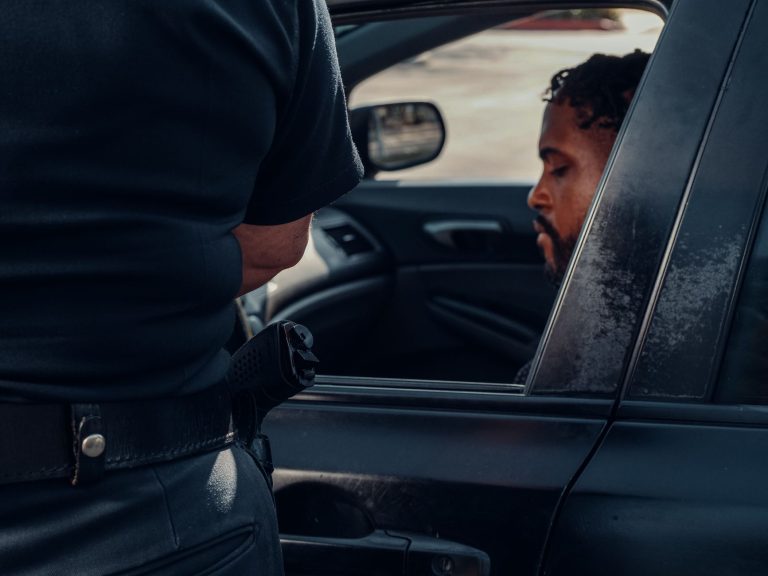
When police arrive at a domestic violence call, they check for risk and possible offenses. They can talk to either side and question witnesses and check for injuries. They may also examine images, communications, and other evidence. In contrast, in Virginia authorities can make unauthorized arrests in case of a probable cause to press family assault charges. Officers also need to identify who is the primary physical aggressor. There is no requirement for one of the victims to step forward to make the arrest. Officers will then arrest the suspect after an arrest. They may then be presented before a magistrate for further proceedings.
What to Do Next Following Your Arrest: Bonding and Release
Once arrested, you will be brought before a court who will establish terms for your release. Magistrate may order bond or release on condition. This is based on such factors as the facts, the criminal record, safety issues. Some remain in jail until the initial court appearance. Some others may get out of jail early, but it does not imply the matter is finished. Holds on bond may include:
- No contact with the victim of the alleged crime.
- No direct or indirect communication.
- Adhering to all protective orders.
- Attending all court dates.
- Staying out of any more trouble.
Failure to abide by these conditions can result in re-arrest or new charges. Consider each of the release conditions carefully, even if the other side attempts to initiate contact with you.
Can a Restraining Order Prevent You From Your Home?
Yes, of course. You could be receiving an emergency protective order after a domestic violence arrest. Under Virginia law, a judge or magistrate may issue this order if safe legal conditions exist. An emergency order may ban all communications between the alleged victim and you. It may even require the accused to leave a home with the accuser. These restrictions may include access to children, property, and a person’s day-to-day life. The emergency protective order is not permanent. Later, there may be a court hearing to decide a longer order. The order will remain in effect until it expires or a court alters it, and the accused must obey the order. Don’t think that a friendly meeting, text, or phone call cancels the order. The only way to modify the provisions of the order is by the court.
What Happens at the First Court Appearance?
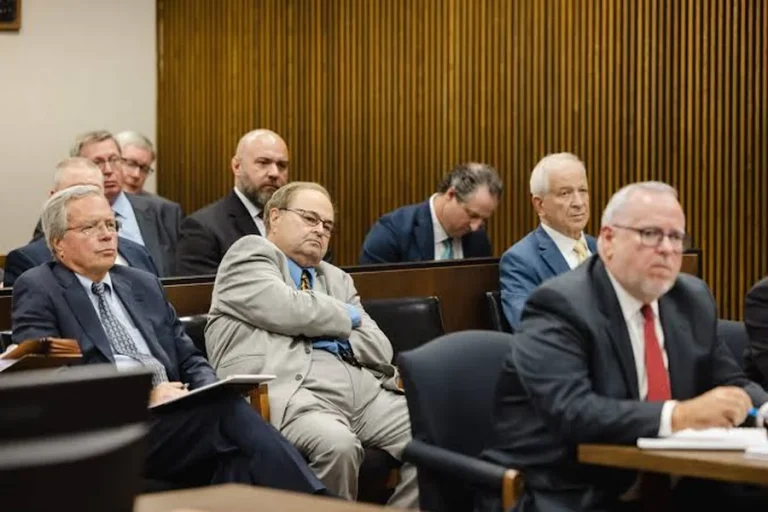
The next big step is the first court appearance. In the state of Virginia, domestic violence is normally a matter for the Juvenile and Domestic Relations District Court if the victim is part of the accused person’s family or household. The court deals with the charge and informs the accused of his or her rights. The court may discuss conditions of release, possible legal counsel, and dates for future hearings. The accused may submit a plea at some point. The court may also hold a separate hearing to take evidence and arguments. Missing court might be quite serious. If a person is not appearing in court, the judge may issue a warrant for that person’s arrest. Stay on schedule and keep the court notices.
What Does the Case Handle the Prosecutor?
The prosecutor examines the evidence and determines how to proceed. Evidence may include police reports, witness accounts, photographs, medical records, and recorded calls. The claimed victim might not want to file a lawsuit. That does not automatically close the criminal charge. In Virginia, the decision on whether to proceed with the case rests, not solely with the claimed victim but with the prosecutor. Defense can argue weak evidence, a witness’s story/testimony, and legal concerns. An attorney can also look into whether the police complied with the law when making the arrest.
What Is a Domestic Violence Charge?
Family abuse/assault against a family or household member: Class 1 misdemeanor (Va. Code § 18.2-57.2) If convicted, it can be punished by:
- Up to 12 months of jail time.
- Fine of $2,500.
- Court-ordered probation or programs.
- Federal bans on firearm possession.
- Permanent criminal record.
Multiple convictions might be charged as a felony. Other factors, such as major injury or strangling, can lead to other, more serious accusations. It is contingent upon the charge, the evidence, and the prior record.
What Should You Do Following a Domestic Violence Arrest?
How you conduct yourself following arrest can affect the course of your case. First, preserve your rights and prevent activities that will generate new problems. Here’s what to do:
- Consult a criminal defense attorney. Talk with a lawyer before you speak with investigators on the matter.
- Follow all court orders. Don’t contact someone if an order prevents it.
- Save helpful evidence. Save emails, images, messages, and phone logs.
- Don’t post about the situation online. Social media posts might be used against you.
- Attend all hearings. Make sure to keep track of court dates and legal deadlines.
Don’t ask the accused victim to recant a statement or abandon charges. Such communication will only complicate matters.
How a Richmond Domestic Violence Lawyer Can Help:
Due to the domestic violence charge, this is something that needs to be treated carefully from the get-go. An experienced Richmond Criminal Defense Lawyer can assess the arrest, evaluate facts, and talk about your legal choices. They can also represent you in court and fight charges without a foundation.Virginia Criminal & DUI Defense Group of Price Benowitz LLP is a Richmond criminal defense law company that also takes on domestic abuse cases. Having a Richmond Domestic Violence Lawyer on your side means you can take advantage of the process and build your defense. Early legal guidance is a must when you are in a situation that affects your freedom and family life.
Popular Questions
1. If I’m Arrested for Domestic Violence, Will I Remain in Jail in Richmond, VA?
Short answer: No, not everyone is jailed following an arrest.
Detailed Answer: A judge considers the matter and determines if the person may be released. This could be due to the claimed crime, the person’s history, and safety concerns. Some are bonded out; others are kept incarcerated until trial.
2. Can a domestic abuse victim dismiss charges in Virginia?
Short answer: No. Criminal charges cannot be dismissed by the alleged victim.
Detailed Answer: The prosecutor has control over the criminal action. The victim can say what he/she would want to see and can ask for charges to be withdrawn. But if the evidence is strong enough, a prosecutor can still proceed.
3. How Long Does a Richmond Domestic Violence Case Take?
Short answer: It is contingent upon the circumstances and the court calendar.
Detailed Answer: Some matters are resolved after a few hearings. Others can go for months, especially if there are witnesses, evidence challenges, or trial dates. The defense attorney can speak with you about the expected timing when the matter is reviewed.
4. Will I be able to go home after a domestic violence arrest?
Short answer: Yes, although it is contingent upon the conditions of your bond and any protective orders.
Detailed Answer: You may need to stay away from home depending on the emergency protective order. You must comply even if the place is yours or that you rent. Speak with an attorney regarding legal modifications.
5. What would a domestic violence charge do to my future?
Short answer: yes. A conviction can affect many areas of your life.
Detailed Answer: A conviction can entail penalties, jail time, and a record as a criminal. It can also influence your employment, housing, family, and gun rights. The consequences will vary based on the charge and the ultimate result.