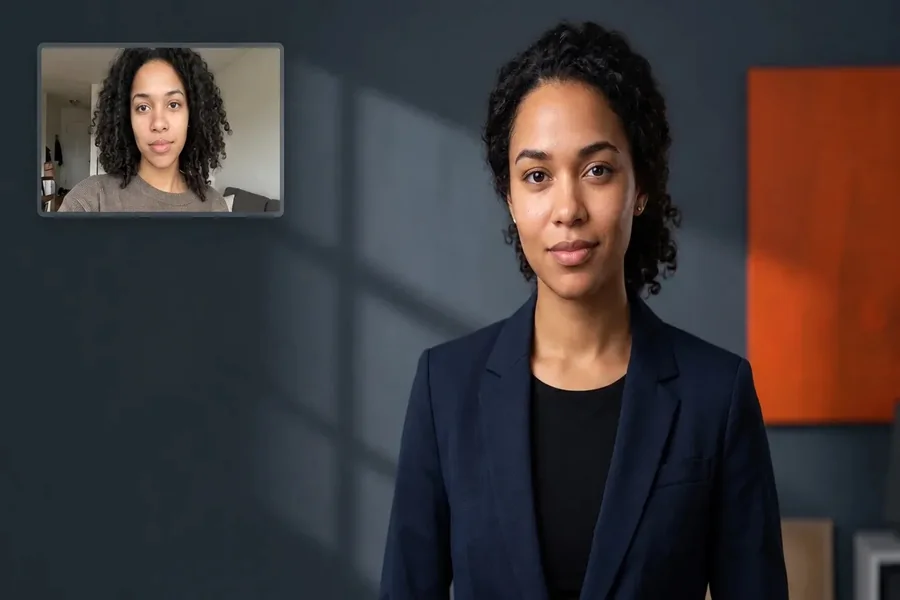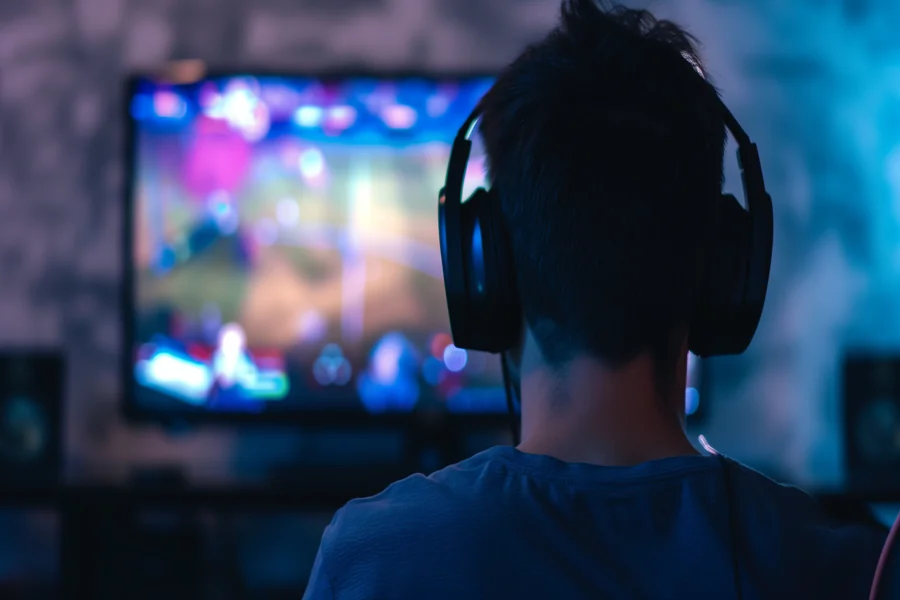
A poker streamer opens a laptop, loads four tables, and starts talking to a few thousand strangers. The cards appear on screen as they are dealt, the player narrates each fold and raise, and a chat window scrolls beside the action with questions, jokes, and second-guesses. None of it is edited. None of it runs on a network. This is how a large share of poker fans now follow the game, and the people they watch are rarely famous for winning a televised event. They are famous for streaming. Among online poker players, the 18-to-34 group already makes up about 43% of the field, and most of them found the game on a stream.
Table of Contents
ToggleFrom Broadcast to Broadcaster
For most of its televised life, poker reached fans as a finished product. A network filmed a tournament, an editor cut hours of play into a tight hour, and a host explained what had already happened. The viewer followed tournaments and saw a hand only after it was over. Streaming inverted the whole setup. The production is the player, the footage is live, and the gap between a decision and the audience seeing it is only a few seconds. Anyone with a table open and a webcam running can broadcast a full session to a global audience, with no crew and no network deciding what airs. The audience and the player are now in direct contact, with nothing produced in between.
The Chat Window
The chat window is the piece television could never copy. As a streamer plays, viewers type questions about a fold, argue over a river call, and pull answers straight from the player making the decisions. Regulars form around a channel, call themselves railbirds, and build up in-jokes and shorthand that belong to that stream alone. The effect turns a solitary online session into something closer to a sports bar. The bond runs one way and feels two-sided. A regular learns a streamer’s habits and running jokes and starts to feel like part of the show. A fan watches from inside the session, talking back, and now and then changing how the streamer thinks about a hand.
The Player’s Own Studio
The reason any of this works is the online table itself. Someone playing poker online sees a private view of their own cards on screen, so screen-capture software can record the table directly without a camera rig. Add a webcam in the corner and a microphone, and a player at a kitchen desk has a broadcast studio. The barrier to becoming a poker broadcaster fell from a television budget to the price of a decent laptop, which is why thousands of people now stream the game across live streaming platforms, where a network could only ever put a handful on air.
The Stream Delay
Streaming your own cards live creates an obvious problem. Anyone at the table could open the feed and play with perfect information. The fix is a delay. Most poker streamers run four to five minutes behind the live action, and players in bigger games stretch that to 30 minutes or more. The community calls the attack getting sniped, where an opponent stalls a hand long enough to catch the streamer’s cards on the delayed feed. The delay is the reason a live poker stream is almost never truly live, and it is the one piece of production every serious streamer has to manage. Viewers have learned to treat the lag as the cost of seeing a player’s real cards.
The Narrated Hand
A stream keeps the reasoning that an edited broadcast throws away. A streamer talks through a decision while it is live, explaining the logic of a raise or a fold and what they read the opponent for. The audience hears the logic while the hand is still in front of them. That running narration is the core of the appeal. Fans follow specific streamers the way they follow a favorite athlete, a parasocial bond built on hours of watching one particular person work through pressure out loud. Some streamers lean hard into entertainment, mixing humor and live reactions with the play, which makes a difficult game feel approachable to someone who has never sat down at a table. Others stay quiet and technical, narrating equity and ranges for an audience that came to study, and the format is wide enough to hold both.
The New Poker Classroom
Streaming also changed how people learn the game. The old path ran through books, paid training videos, and slow trial and error at the table. Now a beginner can watch a strong player break down pot odds and betting patterns as a hand unfolds, then ask a direct question in chat and get an answer. YouTube has the deeper library, where streamers post session reviews and full strategy breakdowns that viewers can study at their own pace. Most of this material costs nothing, where a coaching session once ran into hundreds of dollars an hour. Surveys of newer players find that most of them turn to streamers before any other source when they want to improve, a full break from the book-and-forum route the previous generation relied on. Poker streamers are part of the wider creator economy, building and monetizing an audience the way gaming and lifestyle creators do.
The Clip Economy
Streams also feed a second life as short-form video. A spectacular bluff or a brutal beat gets cut into a 30-second clip and posted to TikTok and YouTube Shorts, where it reaches people who would never sit through a four-hour session. Those clips are the modern version of word of mouth. A viewer who laughs at one bad beat highlight follows the channel, watches a full stream, and turns into a regular. The long broadcast builds the audience and the short clips recruit it, which is why the biggest streamers treat their highlight reels with the same care as the live play.
The Always-On Rail
The change comes down to who the audience follows and how close they get. Television offered a polished event a few times a year. Streaming offers a specific person playing live most nights, with a chat window that talks back and a back catalogue to study. Fans now sit inside the game, hand after hand, on a feed that runs whenever the streamer is awake. In 2025 alone, Twitch viewership for poker reached 18.66 million hours of watch time, almost none of it a finished broadcast and almost all of it a person at a table talking to the people watching.
Conclusion
Live streaming has transformed poker from a scheduled television event into an always-available, interactive experience. Fans no longer watch from a distance—they learn, ask questions, celebrate big hands, and follow individual personalities in real time. As streaming technology continues to evolve, the connection between players and audiences is likely to grow even stronger, making live content one of the biggest forces shaping how modern poker is watched and enjoyed.